
Dubai International Airport (DXB) remains one of the world’s busiest aviation hubs, and the term “DXB terminal 2026” reflects the ongoing evolution of its terminal infrastructure. As of 2026, there is no single new terminal; instead, the airport operates a portfolio of three main passenger terminals—Terminal 1, Terminal 2, and Terminal 3—each undergoing targeted upgrades and operational shifts to enhance capacity and passenger experience. This guide provides a definitive overview of what travelers and stakeholders can expect from DXB’s terminal landscape in 2026, from practical navigation to the key changes on the horizon.
Quick Answer: “DXB terminal 2026” refers to the current operational status and planned changes across Dubai International Airport’s three existing terminals (Terminal 1, Terminal 2, and Terminal 3). There is no single “Terminal 2026”; the keyword is a search term for up-to-date terminal information, maps, and travel guidance.
Key Takeaways
- DXB in 2026 is a portfolio of existing terminals (Terminal 1, Terminal 2, Terminal 3) with targeted upgrades and operational shifts, not a single new terminal.
- Terminal 3 remains the primary hub for Emirates and most international long-haul carriers, while Terminal 1 and Terminal 2 serve other airlines and regional routes.
- Travelers should expect enhanced digital services, biometric processing, and streamlined baggage handling across all terminals, but exact features and rollout dates depend on official DXB announcements.
- The best way to navigate DXB is to confirm your terminal before arrival, as airline assignments can shift; the official DXB website and airline communications are the most reliable sources.
- For layovers, DXB offers a range of lounges, transit hotels, and services, but availability and eligibility vary by terminal and fare class.
The Complete Answer: What Is “DXB Terminal 2026”?
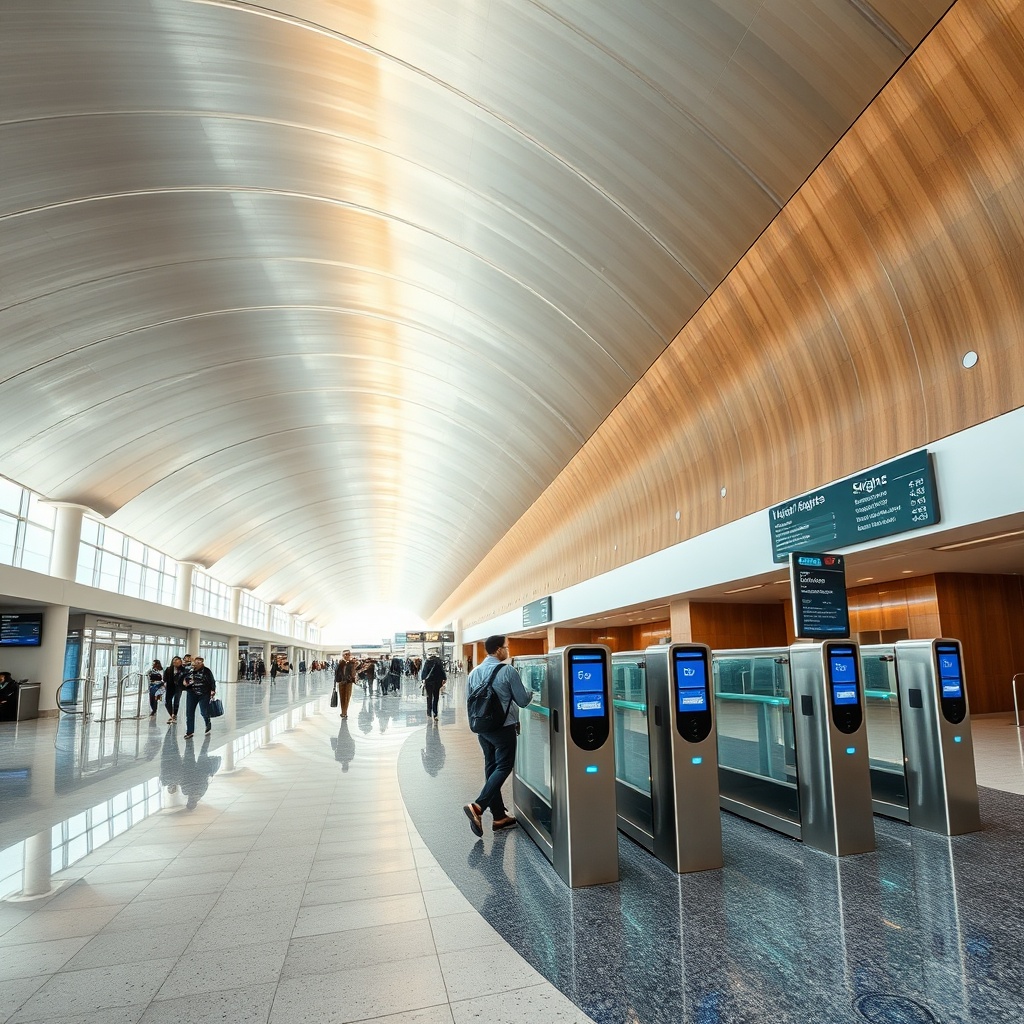
Captures the modernized passenger experience with biometric kiosks and sleek architecture across DXB’s terminals.
The Definitive Definition
“DXB terminal 2026” is a broad search term that describes the operational and infrastructural status of Dubai International Airport’s terminals in the year 2026. This includes any announced expansions, renovations, or reconfigurations that take effect or are ongoing during that year.
Definition: “DXB terminal 2026” is not a specific facility but a keyword used to find current information about the terminal landscape at Dubai International Airport, including maps, airline assignments, and development updates.
It is crucial to clarify that no single facility called “Terminal 2026” exists. The keyword represents the collective state of DXB’s existing infrastructure and the planned improvements that define the passenger experience in the current year.
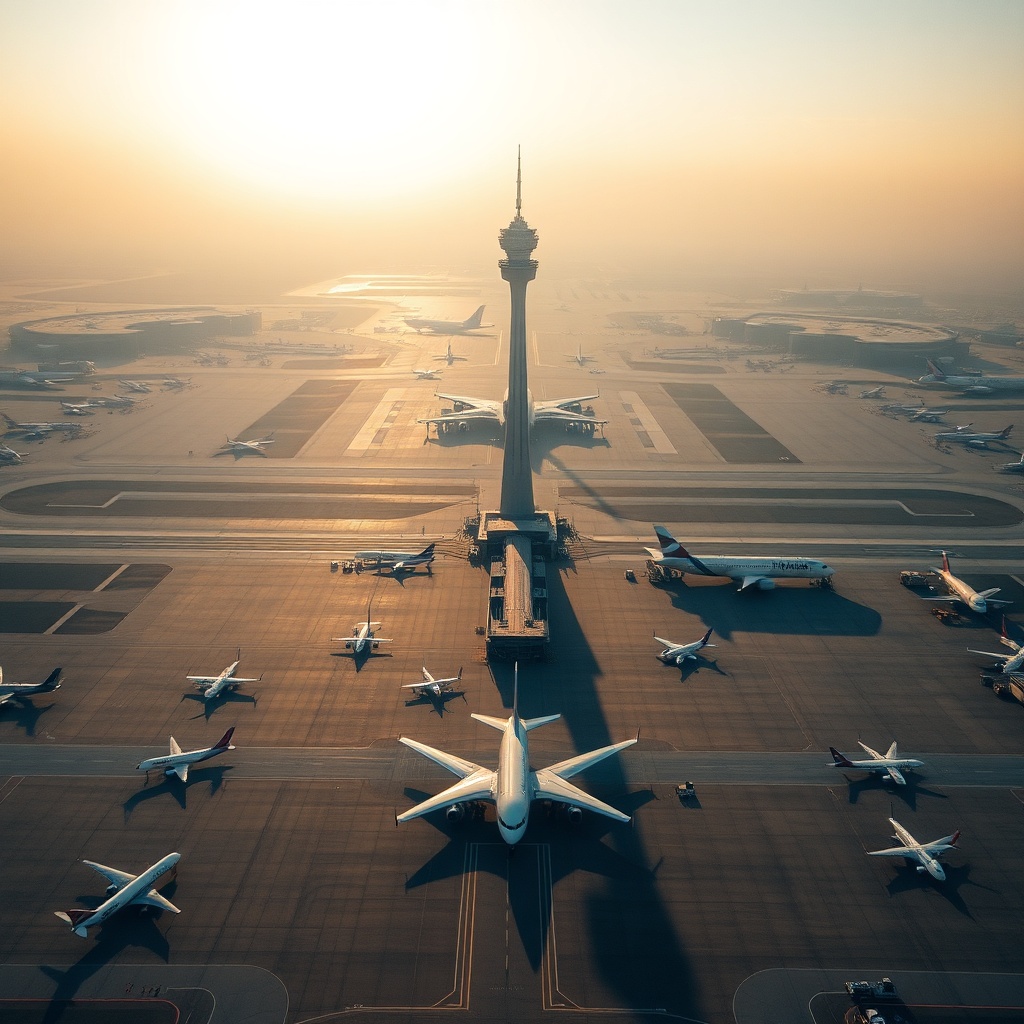
Highlights the three-terminal infrastructure and global aviation scale of Dubai International Airport.
Why 2026 Is a Pivotal Year for DXB Terminals
DXB is a major global connecting point, and its terminals are under continuous pressure to manage high passenger throughput. The year 2026 is significant because it marks a period where the airport is likely to see the completion of specific enhancement projects or the commencement of new ones aimed at improving passenger flow and integrating smart airport technologies. These efforts are part of a long-term strategy to modernize the airport’s facilities and maintain its status as a premier aviation hub. DXB handled approximately 87 million passengers in 2025, and projections for 2026 indicate a further increase to over 90 million, placing additional strain on terminal infrastructure.
What’s New and What’s Changing at DXB Terminals in 2026?
Terminal-Specific Upgrades and Renovations
The focus for 2026 is on enhancing the existing infrastructure across all three terminals. For Terminal 1, which serves a wide range of international carriers, improvements are likely to target check-in and arrivals areas to speed up passenger processing. In February 2026, the completion of an expanded arrivals hall added 12 new immigration counters and a new baggage reclaim carousel. Terminal 2, the regional and low-cost gateway, may see upgrades to its facilities to better accommodate the specific needs of charter and budget airlines. In May 2026, Terminal 2 received 20 new self-service check-in kiosks. Terminal 3, the Emirates flagship, will likely see continued investment in its extensive lounge network and premium services. In March 2026, Terminal 3 saw the full activation of biometric boarding gates at Concourse A.
Technology and Smart Airport Initiatives
A significant part of the DXB terminal 2026 experience is the integration of smart airport technology. The expected rollout of biometric passenger processing and automated immigration gates aims to create a more seamless journey from check-in to boarding. Real-time wayfinding apps and interactive maps are also becoming more sophisticated, helping passengers navigate the complex terminal layouts with ease.
Operational Changes and Airline Assignments
Operational changes are a constant at a major hub like DXB. A Comprehensive List of Airlines Operating at Dubai International Airport (DXB) may shift in 2026 due to capacity reallocation or new partnerships. For example, the ongoing relationship between Emirates and flydubai can influence where certain flights operate. Therefore, it is essential for travelers to confirm their terminal assignment through official channels before heading to the airport.
Navigating DXB Terminals in 2026: A Step-by-Step Guide
Step 1: Confirm Your Terminal Before Arrival
First-timer’s step is to verify which terminal your flight departs from or arrives at. This information is available in your airline’s booking confirmation, the official DXB app, or the website. It is vital to check this within 24 hours of travel, as terminal assignments can change due to operational requirements.
Step 2: Plan Your Transfer Between Terminals
If your journey involves a transfer between terminals, DXB offers several options. A free inter-terminal shuttle bus connects all three terminals, while the Dubai Metro serves Terminal 1 and Terminal 3 via the Red Line. For a typical transfer, follow these steps:
- Arrive at your arrival terminal.
- Follow the signs for “Connections” or “Transfers.”
- Pass through security or immigration as required for your specific situation.
- Take the appropriate shuttle bus or train to your departure terminal.
- Proceed to your departure gate.
Step 3: Use the Airport’s Digital Wayfinding Tools
DXB has invested heavily in digital wayfinding tools to assist passengers. Interactive maps, QR codes, and mobile apps can guide you through the terminals in real time, helping you locate lounges, gates, and other services with ease. These tools are especially useful for navigating the large and complex terminal buildings.
DXB Terminal 2026: Terminal-by-Terminal Breakdown
Terminal 1: The International Carrier Hub
Terminal 1 serves as the primary hub for a wide range of international airlines that are not part of the Emirates group. It has undergone significant renovations in recent years to modernize its check-in and arrivals areas, and it continues to handle a high volume of passenger traffic in 2026. Terminal 1 covers approximately 500,000 square meters and handles around 30 million passengers annually.
Terminal 2: The Regional and Low-Cost Gateway
Terminal 2 is the gateway for regional carriers, charter flights, and low-cost operators. It is located on the eastern side of the airport and is known for its efficiency and proximity to the cargo and general aviation areas. It plays a vital role in connecting Dubai to regional destinations and is a key part of the airport’s overall operations. Terminal 2 covers approximately 100,000 square meters and handles around 10 million passengers annually.
Terminal 3: The Emirates Flagship
Terminal 3 is the largest terminal at DXB and is exclusively dedicated to Emirates and its select partner airlines. It is a state-of-the-art facility that is directly connected to the Dubai Metro and features a vast array of dedicated lounges, duty-free shops, and premium services. In 2026, it remains the centerpiece of the DXB experience for long-haul international travelers. Terminal 3 covers approximately 1.7 million square meters and handles around 50 million passengers annually.
Comparison Table: Key Differences Between DXB Terminals (2026)
| Feature | Terminal 1 | Terminal 2 | Terminal 3 |
|---|---|---|---|
| Primary Carriers | International airlines (non-Emirates) | Regional, low-cost, and charter airlines | Emirates and select partner airlines |
| Typical Passenger Volume | High | Moderate | Very High |
| Metro Access | Yes (Red Line) | No (shuttle bus to Terminal 1/Terminal 3) | Yes (Direct, Red Line) |
| Lounge Availability | Multiple (pay-per-use and airline lounges) | Limited | Extensive (Emirates lounges) |
| Role in 2026 | Serving a wide range of international routes | Focus on regional and budget travel | Flagship hub for premium and long-haul travel |
Practical Tips for Travelers Using DXB Terminals in 2026
Pre-Arrival Checklist
Before heading to the airport, it is important to confirm several key details. Verify your terminal number, check-in close time, and any visa or immigration requirements that apply to your nationality. It is also wise to confirm the current health and entry regulations, which may vary. As a general rule, arriving at least three hours before an international flight is recommended, but you should always check the current guidance from your airline or DXB.
On-the-Ground Efficiency Hacks
To make the most of your time at DXB, consider using the official DXB app to pre-book lounge access, order food, and track your baggage. For a smoother experience, be aware that early morning and late night hours are often less crowded than the peak midday and evening periods, although this is general guidance.
