
Dubai Airport Terminal 3 (DXB T3) is the flagship terminal of Dubai International Airport and the dedicated hub for Emirates. It is one of the largest airport terminal buildings in the world and handles a significant share of the airport’s long-haul international traffic. Whether you are flying Emirates, connecting through Dubai, or simply planning a layover, understanding how Terminal 3 works will make your journey considerably smoother.
Key Takeaways
- Terminal 3 is the primary hub for Emirates and one of the largest airport terminal buildings in the world.
- The terminal is divided into three concourses (A, B, and C) with distinct facilities and boarding areas.
- Transfers within Terminal 3 are generally straightforward, but connecting to Terminals 1 or 2 requires a dedicated shuttle or train.
- Key amenities include premium lounges, duty-free shopping, and a range of dining options.
- Travelers should confirm their airline and check-in location before arriving, as not all flights operate from Terminal 3.
The Complete Answer: What Is Dubai Airport Terminal 3?
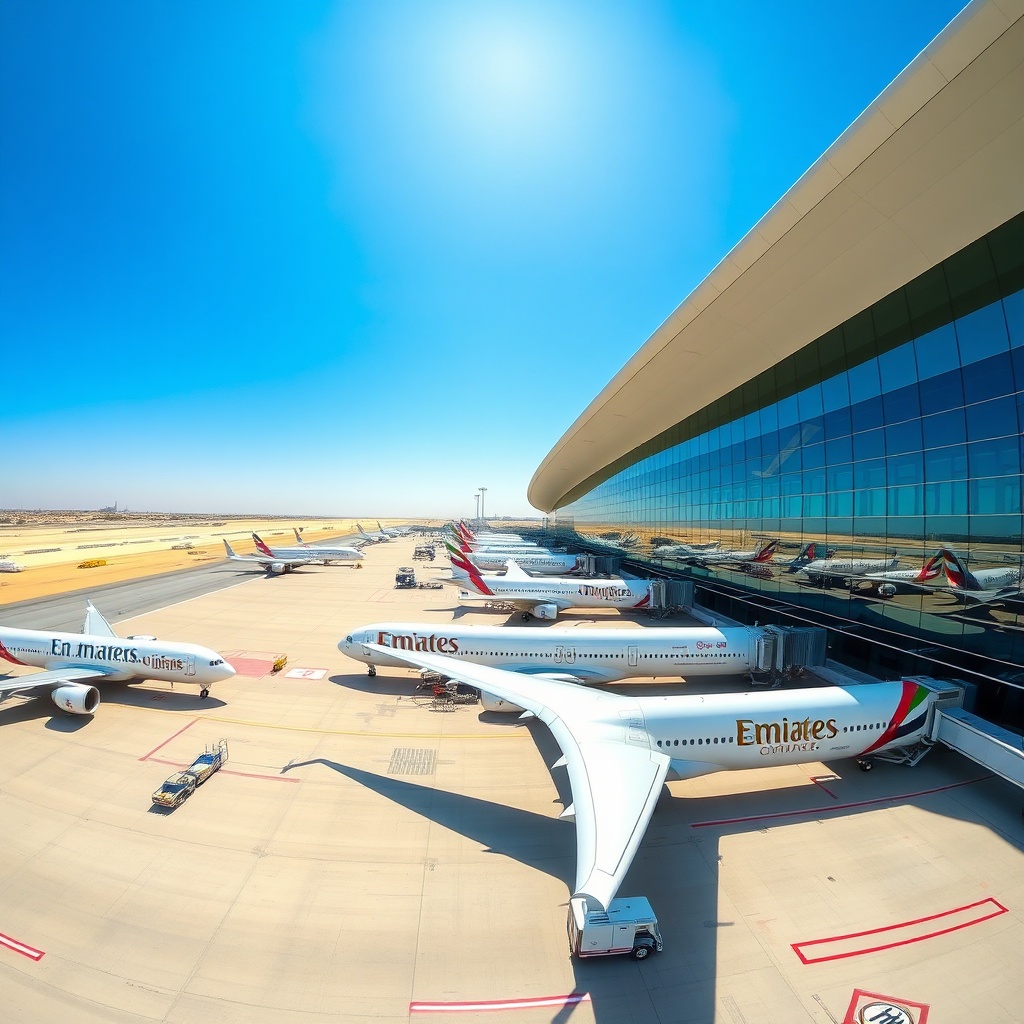
This striking architectural shot captures the immense scale and modern design of the Emirates flagship terminal at Dubai International Airport.
Overview and Purpose
Quick Answer: Dubai Airport Terminal 3 is the dedicated terminal for Emirates and select partner airlines at Dubai International Airport (DXB). It is the primary gateway for long-haul international flights and a key hub for connecting traffic between Asia, Europe, Africa, and the Americas.
Terminal 3 is purpose-built for Emirates, reflecting the airline’s role as the dominant carrier at DXB. It handles the bulk of the airport’s international departures and arrivals, and it is where most long-haul Emirates flights operate. The terminal is designed to serve both point-to-point travelers and the large volume of transit passengers moving through Dubai’s global route network.
Definition: A concourse is a large, open area within an airport terminal that connects the main check-in hall to the boarding gates. In Terminal 3, concourses A, B, and C each serve a different set of gates and aircraft.
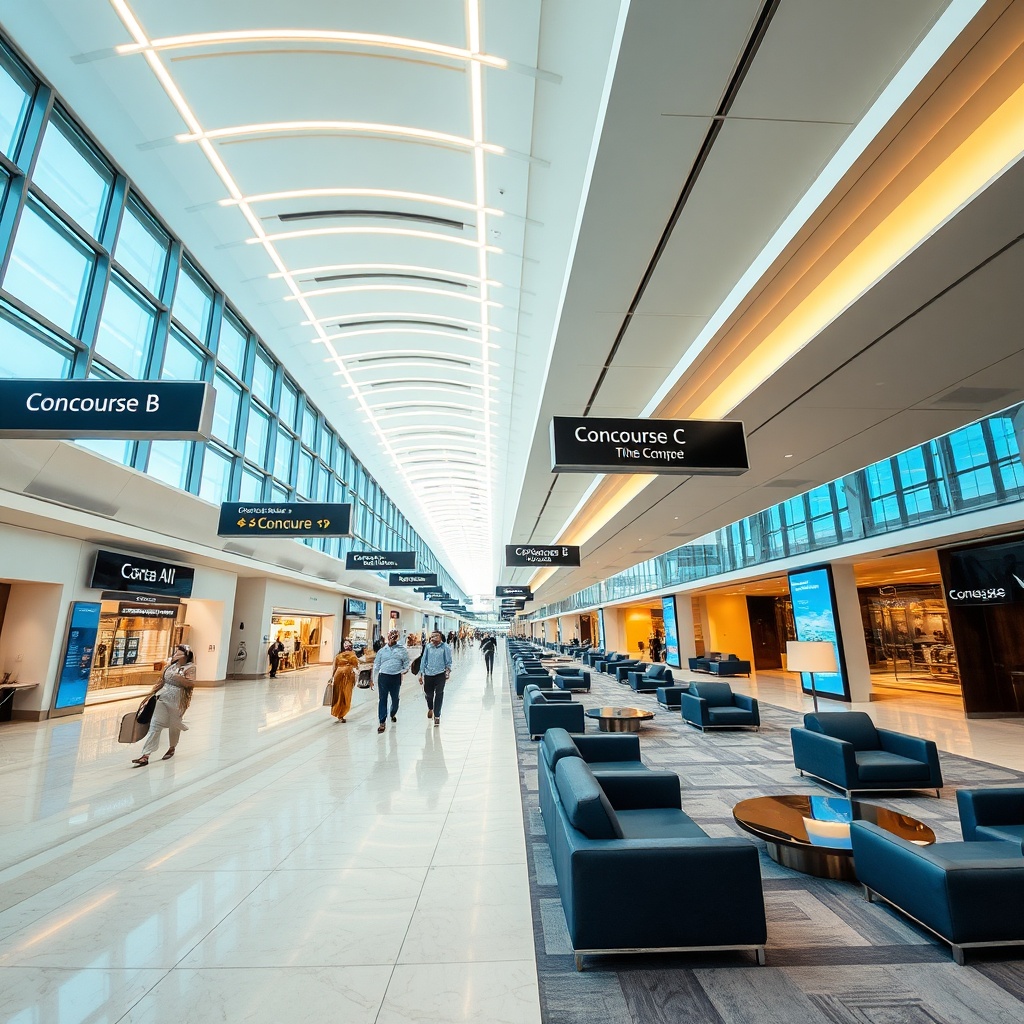
Passengers navigate the spacious and efficiently designed corridors of Terminal 3, where luxury amenities meet seamless transit.
Scale and Architecture
The terminal’s physical footprint is substantial, with a multi-level design that separates arrivals, departures, and transfers into distinct zones. The main building connects to three concourses, and the entire complex is among the largest airport terminal structures in the world by floor area. The architecture is designed to move large volumes of passengers efficiently, with wide corridors, high ceilings, and clear sightlines to help travelers orient themselves.
Which Airlines Operate From Terminal 3?
Emirates is the primary airline operating from Terminal 3. A small number of partner airlines also use the terminal, but the vast majority of flights are Emirates. This is a key differentiator from Terminals 1 and 2, which serve a wider mix of carriers. If you are flying Emirates, your flight will almost certainly depart from or arrive at Terminal 3. If you are flying another airline, check your ticket or the airport’s official website to confirm your terminal before you travel.
Navigating Terminal 3: Layout and Key Zones
Concourses A, B, and C: What Each Offers
Terminal 3 is split into three concourses, each with its own boarding gates and facilities. Concourse A is connected to the main terminal building by an automated train (the Airport People Mover), while Concourses B and C are reachable by walkway. Concourse A typically serves the largest aircraft, including the Airbus A380, and features the most extensive premium facilities. Concourses B and C handle a mix of wide-body and narrow-body Emirates flights and are closer to the main check-in hall.
Check-In and Immigration Flow
The typical journey for a departing passenger starts at the check-in hall, where Emirates operates dedicated counters for economy, business, and first class. After check-in and baggage drop, passengers pass through security screening and then immigration. The flow is designed to be linear, so you move from landside to airside without backtracking. For premium passengers, Emirates offers dedicated check-in areas and fast-track lanes that can reduce time spent in queues.
Finding Your Gate: Signage and Wayfinding
Signage throughout Terminal 3 uses a consistent color-coded system and clear pictograms to guide passengers. Digital flight information displays are positioned at key decision points, including after security and at each concourse entrance. To find your gate, follow the signs for your concourse (A, B, or C), then check the displays for your specific gate number. If you are unsure, airport staff are stationed at information desks throughout the terminal.
Terminal 3 Services and Amenities: What Travelers Actually Use
Lounges and Premium Facilities
Emirates operates a network of premium lounges across all three concourses. Access is typically reserved for First and Business Class passengers, as well as Emirates Skywards Gold and Platinum members. In addition, third-party lounges such as marhaba are available for travelers who do not qualify for Emirates lounge access and can be booked in advance or on arrival. The lounges offer a range of facilities, including dining, showers, and quiet zones.
Shopping and Dining
Dubai Duty Free operates an extensive retail presence in Terminal 3, with outlets spanning the main concourses and showcasing premier culinary stops [at DXB]. Travelers can find a wide range of international brands, local specialties, and travel essentials. Dining options are equally varied, from quick-service food courts to sit-down restaurants serving international cuisine, while the airport also caters to late arrivals with comprehensive 24-Hour Dining. The terminal also features a range of cafes and grab-and-go options for travelers short on time.
Connectivity, Wi-Fi, and Charging Stations
Free Wi-Fi is available throughout Terminal 3, allowing passengers to stay connected while waiting for their flight. Charging stations are located at seating areas across the concourses, and many seats have built-in power outlets. For business travelers, the terminal offers workstations and quiet areas where you can focus before boarding.
How to Transfer Through Terminal 3: A Step-by-Step Guide
Step-by-Step Transfer Process
Quick Answer: To transfer through Terminal 3, disembark and follow the “Connections” signs, pass through transfer security if required, then use the train or walkway to reach your designated concourse before checking the flight displays for your gate.
Connecting passengers follow a clearly marked path that keeps them airside, so they do not need to clear immigration or re-enter the terminal, which explains why Terminal 3 at Dubai Airport is a Food Lover: paradise during your layover. The process is straightforward for most Emirates-to-Emirates connections, but it still requires some planning.
- Disembark and follow the “Connections” signage.
- Pass through transfer security screening if required.
- Use the terminal train or walkway to reach your designated concourse.
- Check the flight information displays for your gate and boarding time.
- Proceed to your gate and wait for boarding.
Transferring Between Terminal 3 and Other Terminals
If you are connecting to a flight in Terminal 1 or Terminal 2, you will need to leave the airside area and use the airport’s shuttle bus service. The shuttle runs between the terminals, and the journey takes a variable amount of time depending on traffic and the schedule. Because you are moving between terminals, you may need to pass through security again. Allow extra time for this process, especially if your connection is tight.
Common Transfer Scenarios
The most common transfer scenario at Terminal 3 is arriving on one Emirates flight and connecting to another. In most cases, you will stay within Terminal 3 and can complete the connection using the train or walkway. If you are arriving from a non-Emirates flight into Terminal 1 or 2 and connecting to an Emirates departure, you will need to transfer to Terminal 3 via shuttle. In all cases, check your boarding pass for your departure terminal and gate, and use the flight displays to confirm any changes.
Terminal 3 vs. Terminal 1 and 2: Which One Do You Need?
Comparison Table: Terminal 3 vs. Terminal 1 vs. Terminal 2
| Feature | Terminal 3 | Terminal 1 | Terminal 2 |
|---|---|---|---|
| Primary airlines | Emirates (and select partners) | Various international carriers | Low-cost and regional carriers |
| Key facilities | Premium lounges, large duty-free | Standard lounges, limited shopping | Basic amenities, smaller footprint |
| Typical passenger type | Long-haul, premium, connecting | International point-to-point | Regional, budget, short-haul |
| Transfer to other terminals | Train/shuttle to T1/T2 | Shuttle to T2/T3 | Shuttle to T1/T3 |
Which Terminal Should You Use?
Quick Answer: Use Terminal 3 if you are flying Emirates. If you are flying another airline, check your ticket or the airport’s official website to confirm whether your flight departs from Terminal 1, 2, or 3.
The simplest rule is to check your airline. Emirates flights operate from Terminal 3. Terminal 1 serves a broad range of international carriers, while Terminal 2 is used by low-cost and regional airlines. Before you leave for the airport, confirm your terminal on your airline’s website or the official DXB website. This step is especially important if you are flying a codeshare or partner airline, as the operating carrier determines your terminal.
Practical Tips for Terminal 3
Arrival and Departure Timing
Arrive at the airport with enough time to complete check-in, security, and immigration without rushing. Peak times at DXB are typically early morning and late evening, when long-haul flights are concentrated. If you are traveling during a peak period, allow extra time for queues. Always check your airline’s specific guidance for recommended arrival times.
Baggage and Check-In Rules
Baggage allowances for Emirates flights depend on your ticket class and route. Check your ticket or the airline’s website for the exact allowance for your booking. Standard security rules apply for liquids, electronics, and oversized items, so review the airport’s guidelines before packing. If you have special baggage or oversized items, allow additional time at the check-in counter.
Getting Around and Staying Comfortable
Terminal 3 is large, so wear comfortable shoes and give yourself time to walk between areas. The terminal has prayer rooms and rest zones for passengers who need to refresh. If you have a long layover, consider using one of the lounges or rest areas to recharge, or arrange a quick city visit to the Old Medina. Stay hydrated, especially on long-haul journeys, and keep your boarding pass and passport accessible for the multiple checks you will encounter.
Frequently Asked Questions
Is Terminal 3 only for Emirates?
Yes, Terminal 3 is primarily used by Emirates and a small number of partner airlines. Most other airlines operate from Terminal 1 or Terminal 2.
How long does it take to transfer between Terminal 3 and Terminal 1?
The time it takes to transfer between terminals depends on the shuttle schedule and the distance between your arrival and departure gates. Plan for a transfer that includes time on the shuttle, security screening, and walking to your next gate. Allow extra time for this process, especially if you are connecting from a different terminal.
Can I access the lounges in Terminal 3 with a standard boarding pass?
Access to most lounges in Terminal 3 requires a premium ticket (First or Business Class), elite frequent flyer status, or a paid pass. Third-party lounges may offer day passes for purchase.
What should I do if my flight arrives at a different terminal than my departure?
Follow the connection signage to the appropriate transfer shuttle or train. Allow extra time for this process, as you will need to move between terminals and may need to pass through security again.
Is there free Wi-Fi in Terminal 3?
Yes, free Wi-Fi is available throughout Terminal 3. Connection speed may vary depending on the number of users, but you can connect without paying a fee. Related reading: [24-Hour Dining at DXB: Where to Eat Anytime at Dubai In](https://dxb-airport.com/24-hour-dining-at-dxb-where-to-eat-anytime-at-dubai-international-airport/) · [The Best Restaurants at Dubai Airport Terminal 3: Your](https://dxb-airport.com/the-best-restaurants-at-dubai-airport-terminal-3-your-ultimate-guide-to-dining-at-dxb/) · [Why Terminal 3 at Dubai Airport is a Food Lover’s](https://dxb-airport.com/why-terminal-3-at-dubai-airport-is-a-food-lovers-paradise-during-your-layover/)
Conclusion
Dubai Airport Terminal 3 is the heart of Emirates’ global operation and one of the world’s most significant aviation hubs. From its three concourses to its extensive lounges, duty-free shopping, and streamlined transfer process, the terminal is built to handle millions of passengers each year. Before you travel, confirm your airline and terminal, plan for transfers between concourses or other terminals, and give yourself enough time to make the most of the amenities on offer. Check the latest flight information and terminal updates on the official Dubai International Airport website before you head to the airport.
