
Dubai Airport Terminal 3: Complete Guide to Concourses, Airlines, and Transfers Dubai Airport Terminal 3 is the dedicated home base for Emirates at Dubai International Airport (DXB) and the largest airport terminal in the world by floor area, covering approximately 1.7 million square meters. This guide covers everything you need to know about its purpose, scale, layout, amenities, and transfer procedures, whether you are flying Emirates, connecting through Dubai, or just want to know what to expect.
Key Takeaways
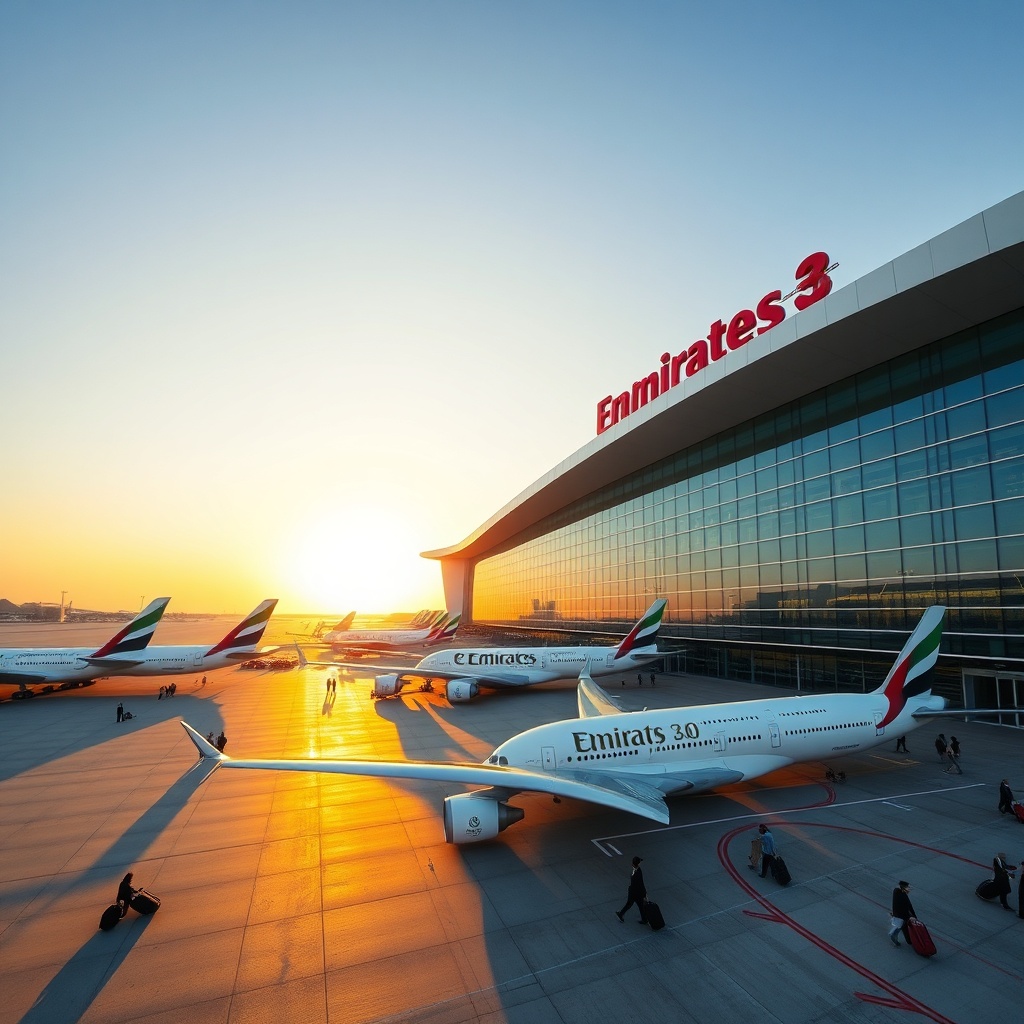
- Terminal 3 is the exclusive hub for Emirates Airlines at Dubai International Airport.
- The terminal is divided into three sections — Concourses A, B, and C — each serving different flight and aircraft types.
- Concourse A is connected to the main terminal building via an underground automated train, making transfers efficient.
- Terminal 3 is primarily for Emirates, though a small number of other airlines also operate from it.
- For connecting flights, travellers must follow specific transfer routes to reach Terminals 1 or 2, and time requirements vary depending on the connection type.
The Complete Answer: What Is Dubai Airport Terminal 3?
Experience the monumental scale and premium design of the world’s largest dedicated airline terminal at Dubai International Airport.
Purpose and Role
Dubai Airport Terminal 3 was built specifically to support the rapid growth of Emirates Airlines and its expanding fleet, including the Airbus A380. It is the operational heart of Emirates’ global network and plays a central role in Dubai’s position as a major international aviation hub connecting East and West.
Quick Answer: Dubai Airport Terminal 3 is the dedicated Emirates hub at Dubai International Airport (DXB), built to handle the airline’s large fleet and serve as a key global transfer point.
Navigate your connection effortlessly through the elegantly designed, high-capacity concourses of the Emirates flagship terminal.
Key Facts
Terminal 3 opened in 2008 and is the largest airport terminal in the world by floor area, covering approximately 1.7 million square meters. It has an annual passenger capacity of approximately 60 million and a total of 82 gates across its three concourses. It comprises three concourses: A, B, and C. Concourse A is uniquely designed for the Airbus A380 and is connected to the main terminal building by an underground automated train.
Definition: An automated people mover (APM) is a train system that moves passengers between terminal sections without requiring them to walk long distances.
Why It Matters for Travelers
The sheer scale of Terminal 3 means that knowing the layout before you arrive can save you significant time and stress. Whether you have a short layover, a long connection, or are visiting Dubai for the first time, understanding how the terminal is organised helps you locate your gate, find lounges, and plan transfers efficiently.
Size, Scale, and Architecture
Floor Area and Capacity
The terminal’s physical size is immense, designed to handle approximately 60 million passengers annually. Its capacity places it among the largest airport terminals globally, reflecting the architectural ambition of the project and Dubai’s long-term aviation strategy.
Concourses A, B, and C
The three concourses serve different purposes:
- Concourse A is dedicated to the Airbus A380 and is physically separate from the main terminal. It is reached via the underground train.
- Concourse B is the central concourse, directly connected to the main check-in and departure halls.
- Concourse C is the original part of Terminal 3 and serves a mix of wide-body and narrow-body aircraft.
Design Features and Passenger Flow
The terminal’s design philosophy focuses on moving passengers efficiently through a massive space. The multi-level layout separates arrivals, departures, and transfers to reduce congestion. Clear signage and the automated people mover help travellers navigate without excessive walking.
Airlines and Destinations
Emirates’ Exclusive Hub
Emirates operates exclusively from Terminal 3, and the terminal is central to its daily operations. From check-in counters and baggage drop to boarding gates, the entire passenger journey is designed around Emirates’ network.
Other Airlines Operating from T3
While Terminal 3 is primarily for Emirates, a small number of other airlines also operate from it. Most other carriers at Dubai International use Terminals 1 or 2. The exact list of non-Emirates airlines at T3 can change, so it is always best to check your flight details before travelling.
Route Network and Destinations
From Terminal 3, Emirates serves a vast global route network. The majority of flights are long-haul, connecting Dubai to major cities across Asia, Europe, Africa, the Americas, and Australia. The terminal is a critical link for travellers moving between continents.
Getting Around the Terminal
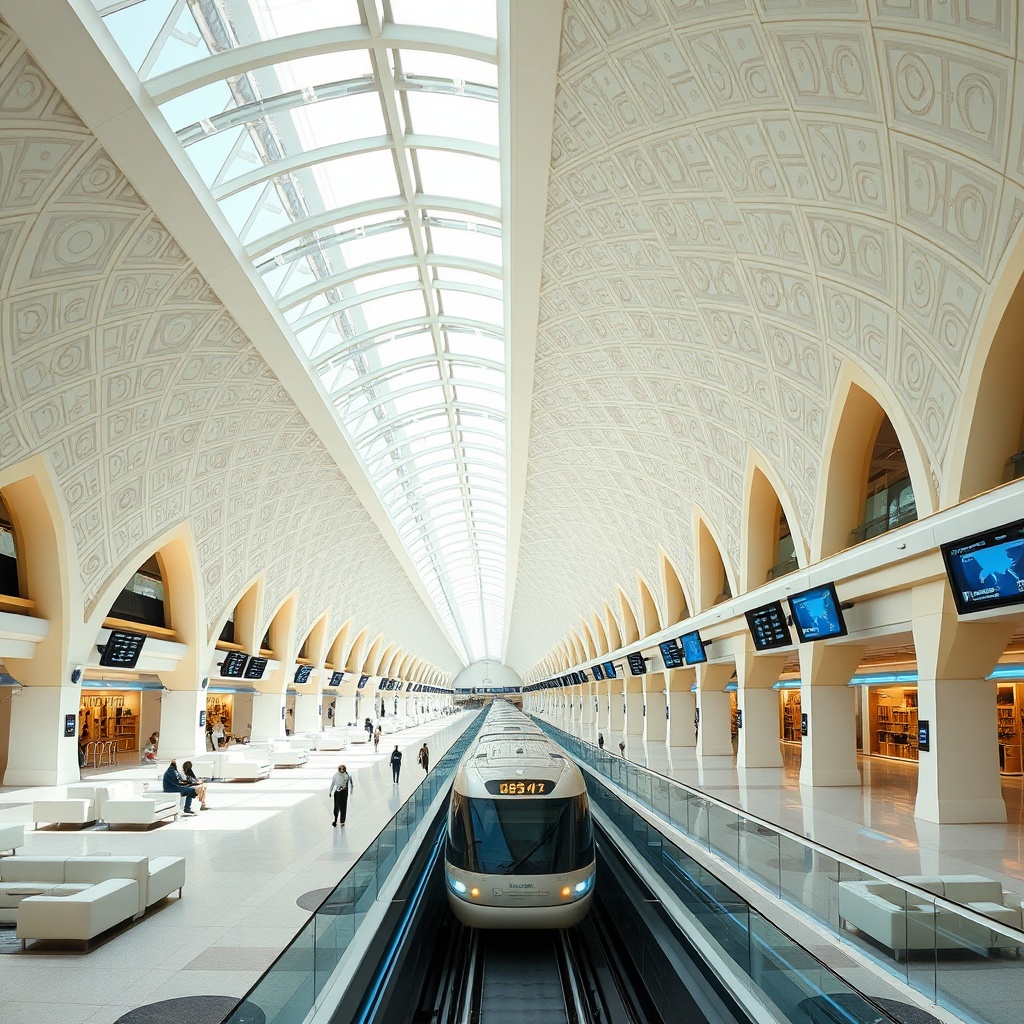
The Terminal’s Layout (B and C Concourses)
Concourses B and C are directly connected to the main terminal building. After passing security, you will find the departure level for these concourses. Walking distances can be significant, so it is wise to allow extra time if your gate is at the far end of a concourse.
The A380 Train to Concourse A
The underground automated train is the only way to reach Concourse A. You board the train from the departure level of the main terminal. The train runs regularly, so you do not need to wait long. Because it is a mandatory step for A380 flights, factor it into your time planning.
Step-by-Step: How to Move Between Concourses
- Arrive at the main terminal building and pass through security.
- Locate the departure level for your concourse (B or C) or the train platform for Concourse A.
- For Concourse A, board the automated train and travel to the concourse.
- For Concourses B and C, follow the walkway signs and allow time for the distance.
- Check the flight information displays for your gate and proceed accordingly.
Facilities and Amenities
Lounges and Premium Services
Terminal 3 is home to Emirates’ premium lounges, which are among the most extensive in the world. Access is typically granted to First and Business Class passengers, as well as Emirates Skywards members based on tier status. Some lounges are also accessible through pay-per-use options.
Dining and Retail
The terminal offers a wide range of dining options, from quick service to full-service restaurants. Shopping is a major feature, with extensive duty-free areas and luxury retail brands. The terminal is designed to be a destination in itself, with zones that cater to different tastes and budgets.
Transit Hotel and Rest Options
For connecting passengers, Terminal 3 provides transit hotel options and rest zones. These facilities allow travellers to sleep and refresh without leaving the secure area. The exact locations and availability can be checked on arrival at the airport.
Transfers and Connections
Transfer Between T3 and Other Terminals
Connecting from Terminal 3 to Terminals 1 or 2 involves a transfer process. Shuttle bus services and walking routes connect the terminals, depending on your arrival and departure points. Passengers may need to clear security or immigration depending on the type of connection.
Comparison Table: Terminal 3 vs Terminal 1 vs Terminal 2
| Feature | Terminal 3 | Terminal 1 | Terminal 2 |
|---|---|---|---|
| Primary airlines | Emirates | Various international carriers | Mostly low-cost and regional carriers |
| Terminal size | Largest | Medium | Smallest |
| Typical destinations | Global long-haul | International | Regional and short-haul |
| Transfer time between terminals | Varies by route | Varies by route | Varies by route |
Note that Terminal 3 is the largest and the dedicated Emirates hub at Dubai International Airport.
Time Requirements and Tips
Allow generous time for connections within Terminal 3, especially if you need to use the train to Concourse A. For transfers between terminals, time requirements depend on whether you are staying within the secure area or need to clear immigration. A practical tip is to check your gate assignment as early as possible and use the train early to avoid last-minute stress.
Quick Answer: For connections within Terminal 3, allow at least 60-90 minutes. For transfers between terminals, the time needed varies, so always check the official guidance for your specific connection.
FAQ
What is Dubai Airport Terminal 3? Dubai Airport Terminal 3 is the dedicated Emirates hub at Dubai International Airport, the largest airport terminal in the world by floor area, covering approximately 1.7 million square meters. Which airlines operate from Terminal 3? Emirates is the primary airline. A small number of other airlines also use Terminal 3, but most other carriers operate from Terminals 1 or 2. How do I get from Terminal 3 to Terminal 1? You can transfer via shuttle bus services or walking routes, depending on your connection type. You may need to clear security or immigration. Is Terminal 3 only for Emirates? No. It is primarily for Emirates, but a small number of other airlines also operate from it. How long does it take to transfer between concourses in Terminal 3? Transfer times vary. Moving between B and C is a walk, while reaching Concourse A requires the automated train. Allow extra time for the train. Related reading: [Dubai Airport Lounges: An Ultimate Guide 2026](https://dxb-airport.com/dubai_airport_lounges__an_ultimate_guide_2026/) · [A Comprehensive List of Airlines Operating at Dubai Int](https://dxb-airport.com/a-comprehensive-list-of-airlines-operating-at-dubai-international-airport-dxb/)
Conclusion
Dubai Airport Terminal 3 is a massive, purpose-built hub that serves as the operational centre of Emirates Airlines. Its scale, three-concourse layout, and dedicated A380 train make it one of the most important airport spaces in global aviation. Understanding how the terminal is organised — from the concourses to the transfer procedures — is essential for a smooth journey through Dubai. Whether you are flying Emirates, connecting through DXB, or simply passing through, knowing the layout and allowing enough time for transfers will make your experience far more manageable. As Dubai continues to grow as a global aviation hub, Terminal 3 remains at the centre of that story, connecting travellers across continents.
