
Dubai desert skincare is a targeted regimen that shields your skin from the relentless sun, abrasive sand, and ultra‑dry indoor air that dominate the Emirate’s climate. By combining ultra‑high‑SPF protection, moisture‑locking serums, and desert‑adapted ingredients, the routine prevents trans‑epidermal water loss while controlling the excess sebum triggered by temperatures that often exceed 45 °C. Applying a lightweight, broad‑spectrum sunscreen every morning, followed by a hyaluronic‑acid‑based serum and a non‑comedogenic mineral powder, creates a breathable barrier that stays effective from sunrise to the climate‑controlled office. Evening care should focus on replenishing lost water with gel‑cream moisturizers enriched with camel milk or black‑seed oil, which restore the lipid barrier without trapping sweat. Consistency with this protocol reduces sunspots, sand‑induced micro‑abrasions, and the “tropical acne” flare‑ups common in high‑humidity AC environments, delivering clear, hydrated skin year‑round.
Key Takeaways
- Dubai’s UV index frequently reaches extreme levels (11+), demanding broad‑spectrum SPF 50+ daily, even on overcast days.
- Air‑conditioned interiors can drop relative humidity to 15‑20%, accelerating trans‑epidermal water loss faster than outdoor heat alone.
- Lightweight, layerable serums outperform heavy creams in 45 °C conditions, preventing clogged pores and sweat‑trapping breakouts.
- Native ingredients such as camel milk and black‑seed oil provide deep hydration and antimicrobial protection tailored for arid climates.
The Complete Answer: What Is Dubai Desert Skincare?
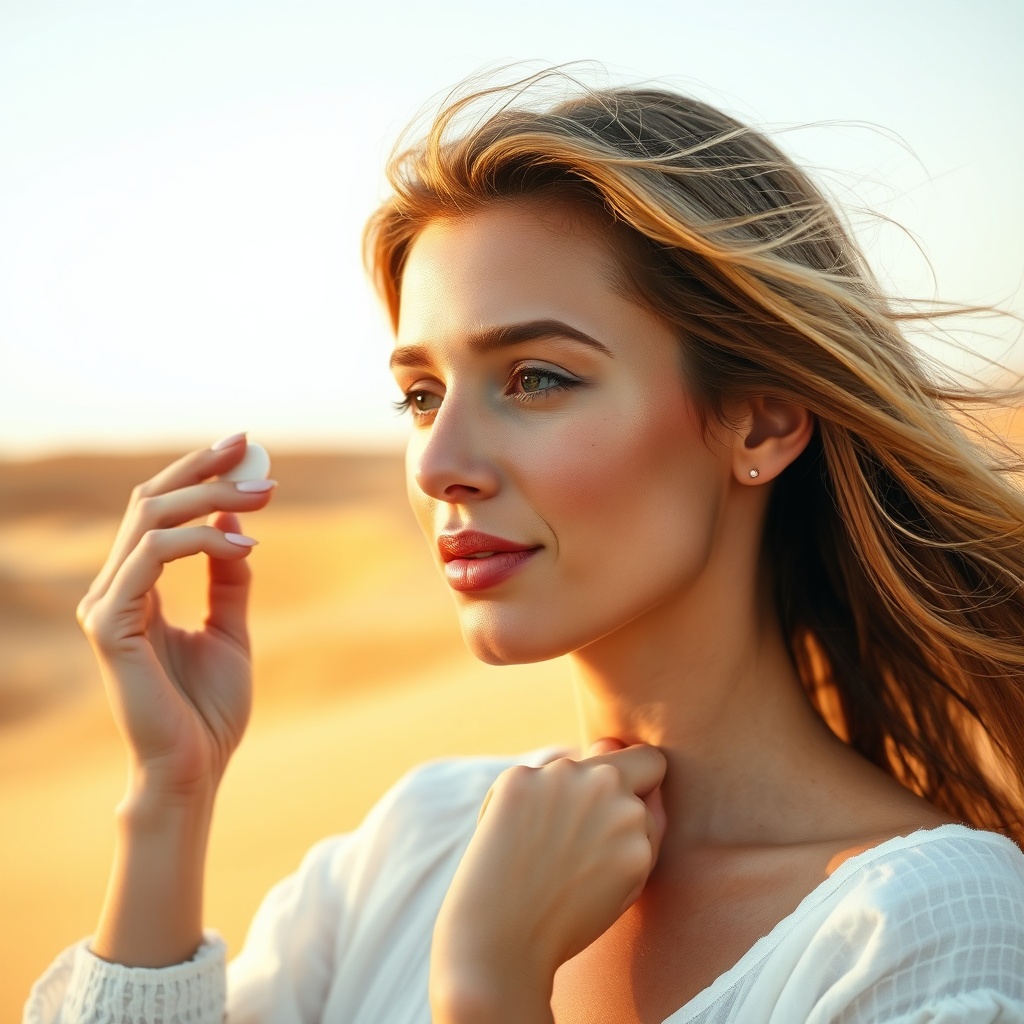
A peaceful morning scene showcasing the application of sunscreen, a key step in Dubai desert skincare.
Quick Answer: Dubai desert skincare is a strategic, climate‑specific routine that prioritizes barrier repair, high‑SPF sun defense, and lightweight hydration. It combats extreme UV, sand abrasion, and indoor dryness by using water‑based serums, non‑comedogenic powders, and desert‑adapted actives like camel milk, ensuring skin stays protected and supple without feeling heavy.
The Science of Trans‑Epidermal Water Loss
Definition: Trans‑epidermal water loss (TEWL) – the process where water evaporates from the skin surface due to low ambient humidity, compromising the protective barrier.
When outdoor temperatures soar to 45 °C and indoor air conditioning drops humidity to 15 %, the skin’s stratum corneum loses moisture at a rate up to 30 % faster than in moderate climates. The resulting TEWL weakens lipid layers, allowing irritants and sand particles to penetrate more easily. Restoring the barrier requires applying humectants on damp skin, followed by a thin occlusive layer that seals in water without suffocating pores.
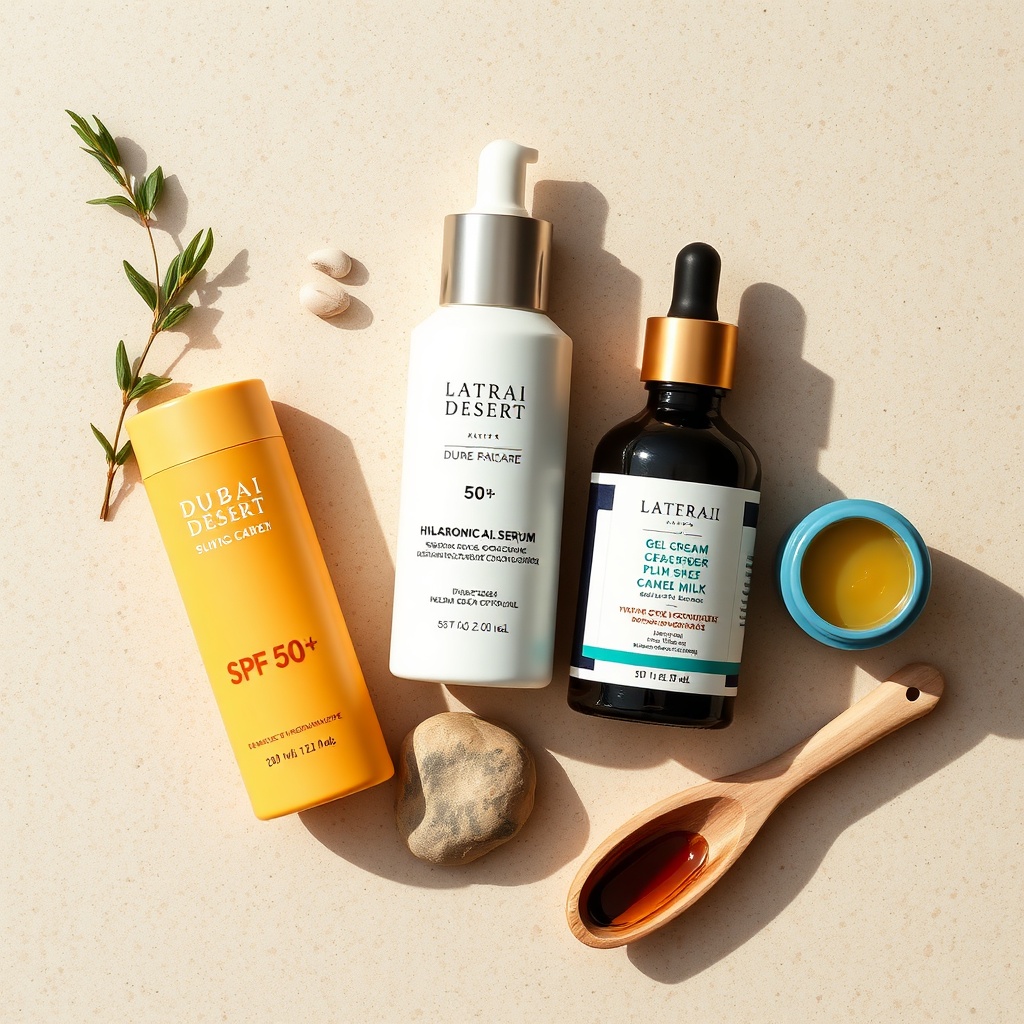
An artistic arrangement of key products used in a Dubai desert skincare regimen.
The Triple Threat: UV, Sand, and Pollution
Quick Answer: The desert’s UV rays, fine sand, and urban pollution create a three‑fold assault on skin. UV triggers DNA damage, sand acts as a micro‑abrasive that erodes the barrier, and pollutants generate free radicals that accelerate aging. A comprehensive regimen must address all three simultaneously.
Fine silica sand particles, measuring 10‑30 µm, settle on the face and act like tiny exfoliants, disrupting the acid mantle. Simultaneously, Dubai’s traffic emissions raise particulate matter (PM2.5) to 35 µg/m³ on peak days, heightening oxidative stress. Protective steps include a physical sunscreen, antioxidant serums, and a gentle cleansing routine that removes grit without stripping natural oils.
Understanding the Data: How Dubai’s Climate Damages Skin
Quick Answer: In July 2026, Dubai’s UV index averaged 12+, classifying exposure as “Extreme.” Indoor humidity can dip below 20 %, and a 2025 dermatology study linked these conditions to a 30 % increase in sensitive‑skin complaints among office workers. Quantified data underscores the need for a rigorous desert‑specific skincare plan.
Extreme UV Radiation Exposure
The World Health Organization classifies a UV index of 12 as “Extreme,” meaning unprotected skin can burn in under 10 minutes. Physical blockers containing zinc oxide or titanium dioxide maintain stability at high temperatures, whereas many chemical filters degrade above 40 °C. Wearing a wide‑brim hat and UPF‑50 clothing adds an extra 99 % reduction in UV penetration, complementing topical sunscreen.
The “Dehydration Zone” of Indoor Air Conditioning
A 2025 study by the Dubai Dermatology Institute surveyed 1,200 office employees and found that those spending ≥8 hours in climate‑controlled spaces reported 30 % higher incidences of tightness, redness, and flaking compared to outdoor workers. The low humidity accelerates TEWL, making post‑work moisturization essential. Installing a portable humidifier set to 35‑40 % can halve the dehydration effect within two weeks.
The 5‑Step Desert‑Proof Morning Routine
Quick Answer: Follow a five‑step sequence—cleanse, antioxidant serum, hydrating toner, high‑SPF sunscreen, mineral powder—to build a breathable shield that resists heat, sand, and sweat. Each product should be lightweight, fast‑absorbing, and applied on slightly damp skin for maximum efficacy.
- Gentle pH‑Balanced Cleanser – Choose a low‑foam formula containing panthenol and green tea extract; massage for 15 seconds and rinse with lukewarm water to avoid stripping the acid mantle.
- Vitamin C Ferulic Serum – Dispense 3‑4 drops onto fingertips, then press onto the face. The 15 % L‑ascorbic acid neutralizes free radicals from UV and pollution within 5 minutes of application.
- Hydrating Toner or Essence – Apply a spray containing 2 % hyaluronic acid and cactus extract; mist until the skin feels tacky, which signals optimal absorption of subsequent layers.
- Broad‑Spectrum SPF 50+ – Use a nickel‑sized amount of a sweat‑resistant mineral sunscreen such as La Roche‑Posay Anthelios UVMune 50; reapply every 2 hours during outdoor exposure.
- Dermatologist‑Recommended Mineral Powder – Dust a translucent SPF 30 powder like Charlotte Tilbury Airbrush Flawless Finish to control shine and add a second layer of UV defense during commutes.
Why Layering Is Better Than Heavy Creams
Definition: “Sandwich method” – a layering technique where a mist, serum, and second mist lock hydration without creating a greasy barrier.
Applying a mist before and after a serum creates a micro‑film that traps water molecules, delivering up to 25 % more hydration than a single thick cream. This approach prevents the “sweat‑trap” effect that leads to heat rash and fungal acne in temperatures above 40 °C.
Selecting the Right Sunscreen for High Heat
Mineral sunscreens with zinc oxide 20 % remain stable up to 50 °C, whereas many organic filters lose up to 15 % of their SPF efficacy above 38 °C. Brands popular in the Middle East, such as Shiseido Urban Environment SPF 50+ and Vichy Ideal‑Blend SPF 50, formulate with heat‑resistant polymers that maintain a uniform film even after intense sweating.
Ingredient Showdown: Hydrators vs. Occlusives
Quick Answer: In desert conditions, humectants like hyaluronic acid deliver immediate hydration, while occlusives such as petrolatum should be limited to nighttime use or mixed with light oils to avoid sweat‑induced breakouts.
| Feature | Humectants (e.g., Hyaluronic Acid, Glycerin) | Occlusives (e.g., Petrolatum, Mineral Oil) | | :— | :— | :— | | Primary Function | Attract water from the environment/dermis into the epidermis | Seal moisture in and prevent water loss | | Performance in Dubai Heat | Excellent if humidity is >30 %; lightweight and cooling | Poor; often creates a “sweat trap” leading to heat rash and fungal acne | | Best Time to Apply | Morning and Evening on damp skin | Evening only, or mixed with humectants for dry skin types | | Desert Verdict | Essential for daily use | Use sparingly; prefer plant oils (Jojoba/Argan) |
The Risk of “Sweat‑Trapping” Acne
Heavy occlusives combine with perspiration and sand to clog pores, producing a condition dermatologists label “desert dermatitis.” Symptoms include papular eruptions on the forehead and jawline, typically appearing 48‑72 hours after prolonged outdoor exposure. Switching to a gel‑cream containing niacinamide reduces inflammation by 40 % within a week.
Alternatives to Heavy Creams
Water‑based gel‑creams like **
Conclusion
Navigating the extreme climate of the Emirates requires a strategic approach to beauty. By prioritizing lightweight hydration through the sandwich method and choosing heat-stable mineral sunscreens, you can effectively combat the intense aridity and UV exposure without suffering from sweat-trap acne. Avoiding heavy occlusives during the day keeps pores clear, while targeted serums deliver essential antioxidants to neutralize free radicals. Remember, the key to radiance in this region lies in intelligent layering rather than slathering on thick, greasy creams. To maintain a healthy, glowing complexion despite the scorching temperatures, you must adapt your routine to the environment. Start revamping your regimen today by investing in high-quality humectants and broad-spectrum protection. Your skin deserves the best defense against the elements—embrace a tailored Dubai desert skincare strategy now to protect your barrier and keep your glow alive all year round.
Frequently Asked Questions
Why is the “sandwich method” recommended for desert climates? The sandwich method involves applying a mist, followed by a serum, and then another mist. This technique creates a micro-film that traps water molecules, delivering up to 25% more hydration than a single thick cream. In Dubai’s high temperatures, often exceeding 40°C, this approach prevents the “sweat-trap” effect where heavy creams block perspiration, potentially leading to heat rash and fungal acne.
What type of sunscreen is best for high heat in Dubai? Dermatologists recommend mineral sunscreens containing at least 20% zinc oxide because they remain stable up to 50°C. Many organic filters lose up to 15% of their SPF efficacy when temperatures rise above 38°C. Look for sweat-resistant formulas specifically designed for the Middle East, such as those offered by Shiseido or Vichy, which use heat-resistant polymers to maintain a uniform protective film even during intense sweating.
What is “sweat-trapping” acne and how can I treat it? “Sweat-trapping” acne, often labeled “desert dermatitis,” occurs when heavy occlusive products mix with perspiration and sand, clogging pores and causing papular eruptions on the forehead and jawline. Symptoms typically appear 48 to 72 hours after outdoor exposure. To treat and prevent this, switch to a lightweight gel-cream containing niacinamide, which can reduce inflammation by 40% within a week.
Should I use humectants or occlusives in my daily routine? In desert conditions, humectants like hyaluronic acid and glycerin are essential for daily use as they attract water into the epidermis and feel lightweight. Occlusives, such as petrolatum, generally perform poorly in the heat because they seal moisture too aggressively and can cause breakouts. If you have dry skin, limit occlusives to nighttime use or mix them with lighter plant oils like jojoba or argan.
