
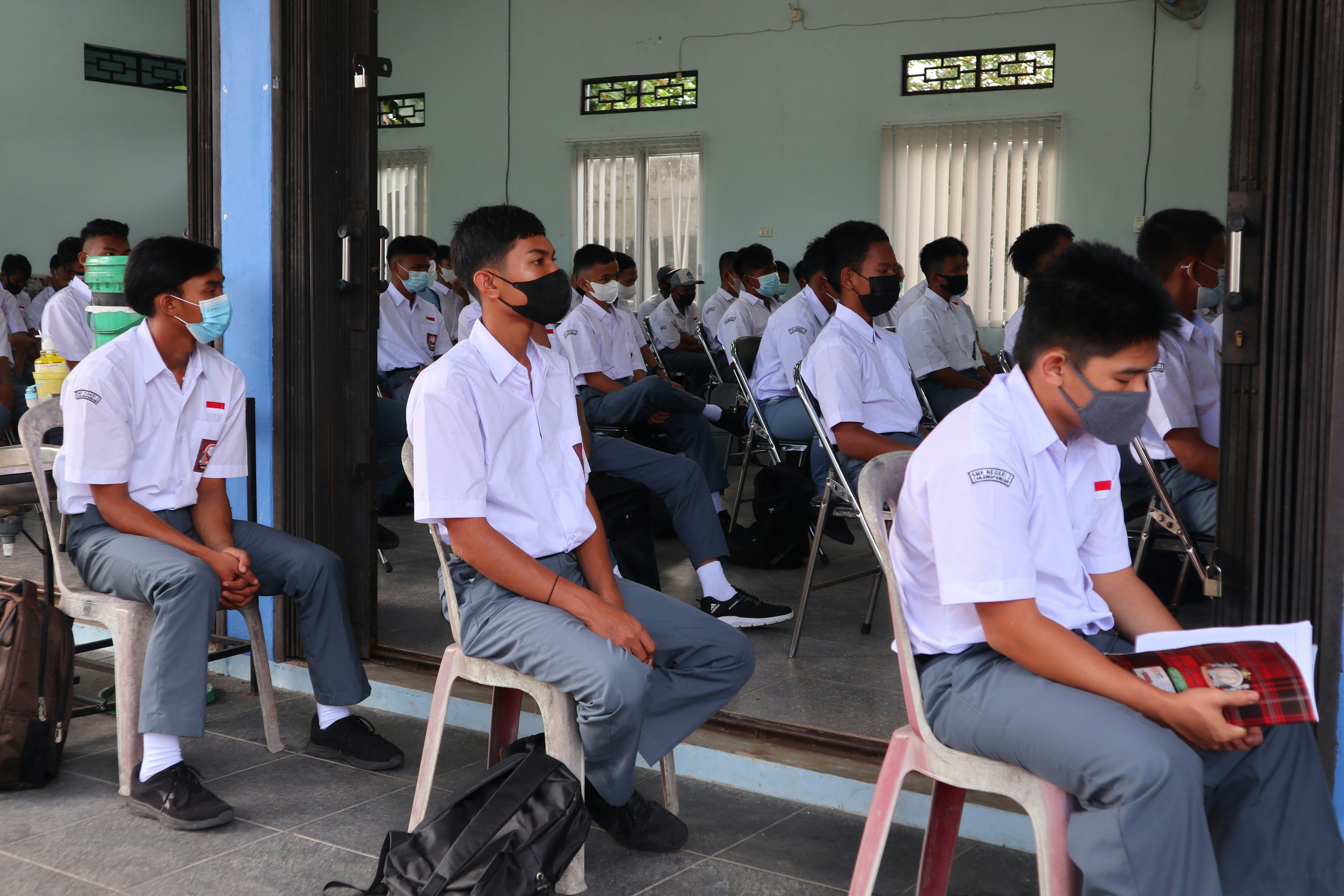
Introduction to Modern Education
Modern education is a dynamic and evolving field characterized by its responsiveness to societal needs and advancements in technology. Over the years, educational systems worldwide have undergone significant transformations, moving away from traditional pedagogical methods toward more innovative practices that encourage critical thinking, collaboration, and creativity. This evolution can be attributed to various factors, including globalization, advances in technology, and changing workforce demands.
The impact of globalization has necessitated a more interconnected approach to education, where students are encouraged to recognize and embrace diverse cultures and perspectives. In response, many educational institutions have integrated international curricula and partnerships, fostering a global mindset in students. The importance of critical thinking and problem-solving skills in today’s job market has also led to a reassessment of traditional educational models, with a growing emphasis on experiential learning and personalized instruction.
Advancements in technology have played a pivotal role in shaping the landscape of education. The integration of digital tools, such as online learning platforms, virtual reality, and artificial intelligence, has not only enhanced the accessibility of education but has also transformed the way knowledge is delivered and consumed. For instance, online courses allow learners from diverse backgrounds to access high-quality educational resources regardless of their geographical location. Furthermore, technology facilitates differentiated instruction, enabling educators to tailor their teaching strategies to meet the unique needs of each student.
In modern education, the role of the educator has also evolved. Teachers are no longer just providers of knowledge; they now serve as facilitators, guiding students in their learning journeys and encouraging autonomous exploration. As we delve deeper into the innovations and trends that are currently shaping the future of education, it is essential to recognize the multifaceted nature of these developments and their lasting implications for learners and educators alike.
Technology in Education
The integration of technology in educational settings has transformed the landscape of learning, bringing forth innovative approaches that enhance both teaching and learning experiences. Educational institutions are increasingly adopting digital tools and online learning platforms to meet the diverse needs of students and educators. These advancements enable personalized learning, allowing students to progress at their own pace, which is crucial in accommodating various learning styles and abilities.
One of the most significant innovations in the realm of education is the use of educational software. Programs designed to assist in skill development, assessment, and content delivery have made learning more engaging and effective. For instance, platforms that offer interactive simulations or gamified learning experiences capture students’ attention while fostering critical thinking and problem-solving skills.
Furthermore, digital tools such as virtual classrooms and collaboration applications bridge geographical divides, enabling students from different locations to participate in the same courses. This has expanded access to quality education, allowing for greater participation in discussions and collaborative projects, mirroring a real-world professional environment.
The role of technology is not confined to students alone; educators also stand to benefit from these advancements. Teacher-focused applications streamline administrative tasks, offering solutions for grading and communication, which permits educators to focus more on instruction and less on paperwork. Additionally, tools for professional development empower teachers to refine their skills, stay updated with the latest educational trends, and ultimately enhance their teaching effectiveness.
In conclusion, the continuous evolution of technology within educational contexts promises to reshape the future of learning and teaching. By leveraging innovative digital tools and platforms, both students and educators can look forward to enriched educational experiences that foster engagement, collaboration, and skill development.
Personalized Learning Approaches
Personalized learning is an educational strategy aimed at tailoring the learning experience to accommodate the individual needs, skills, and interests of each student. This innovative approach contrasts with traditional one-size-fits-all pedagogy, recognizing that learners have unique backgrounds and varying paces at which they assimilate information. The significance of personalized learning lies in its potential to improve student engagement, achievement, and overall educational outcomes.
One prevalent strategy within personalized learning involves the use of adaptive learning technologies. These technologies utilize algorithms to adjust the difficulty of content based on the learner’s performance in real-time. By analyzing data from assessments and interactive activities, these systems can identify areas where a student may be struggling and provide customized resources to address those gaps effectively. For example, platforms like DreamBox and Knewton leverage adaptive technology to dynamically modify lessons, ensuring that each student receives instruction that is suited to their specific learning needs.
In addition to technological solutions, educators are also employing various pedagogical strategies to promote personalized learning. This includes project-based learning, where students select a project topic that resonates with their interests, thus fostering greater ownership of their educational journey. Moreover, differentiated instruction allows teachers to provide multiple avenues for students to engage with content, catering to different learning styles and preferences.
Furthermore, incorporating student feedback into the learning process is essential for personalization. By regularly soliciting input from students regarding their learning preferences and experiences, educators can further customize the curriculum to better meet individual needs. This iterative process encourages a partnership between students and teachers, promoting a more engaging and supportive learning environment.
The Importance of Lifelong Learning
Lifelong learning has emerged as a fundamental concept in today’s fast-paced and ever-evolving job market. As technological advancements and global economic changes reshape industries, professionals must adapt by continuously updating their skills and knowledge. This ongoing process of education transcends traditional schooling and encompasses a broad spectrum of learning opportunities, such as workshops, online courses, and professional certifications.
Continuous education not only addresses the need for acquiring new competencies but also enhances personal growth and self-awareness. The significance of lifelong learning lies in its ability to foster adaptability, enabling individuals to navigate career transitions and shifts in workforce demands. Employers increasingly value candidates who exhibit a commitment to personal development through lifelong learning initiatives. Thus, individuals engaging in ongoing education can better position themselves in competitive job markets.
Furthermore, the benefits of lifelong learning extend beyond individual career advancement. It has been shown to increase overall job satisfaction and engagement. When learners actively seek new knowledge and skills, they often feel more empowered and motivated in their roles. This, in turn, can lead to greater contributions to the workplace, innovation, and collaboration among peers.
The concept also encourages individuals to participate in community education initiatives, promoting a culture of learning that can benefit society as a whole. By valuing and investing in education throughout one’s life, we can build a more knowledgeable and skilled population capable of confronting contemporary challenges.
Lifelong learning is not merely an option but a necessity in today’s dynamic landscape. Therefore, individuals should proactively seek opportunities for education and growth, thus ensuring they remain relevant and prepared for future challenges.
The Rise of Collaborative Learning
In recent years, there has been a notable shift towards collaborative learning environments, reflecting broader trends in education that prioritize interaction and teamwork among students. Collaborative learning involves the integration of group work, peer learning, and community partnerships to foster a more dynamic educational experience. This approach recognizes that learning does not occur in isolation; rather, it is significantly enhanced through engagement with others.
The benefits of collaborative learning are multifaceted. Firstly, it promotes a deeper engagement with the material at hand. When students participate in group discussions and activities, they articulate their understanding and confront different perspectives. This exchange of ideas not only helps students clarify their own thoughts but also fosters critical thinking skills, as they learn to analyze and evaluate the contributions of their peers.
Moreover, collaboration in educational settings equips students with essential skills that are vital in today’s workforce. Traits such as communication, conflict resolution, and the ability to work effectively within diverse teams are increasingly sought after by employers. By working together, learners prepare themselves for future professional environments, where collaboration and teamwork are commonplace.
Additionally, establishing partnerships between educational institutions and local communities enhances the collaborative learning experience. These partnerships provide real-world context to academic concepts, enabling students to apply their learning in practical situations. Furthermore, community involvement fosters a sense of belonging and encourages students to contribute positively to society, which is an integral aspect of holistic education.
In conclusion, the rise of collaborative learning represents a progressive shift in educational methodologies that not only enhances individual learning outcomes but also prepares students for a collaborative future. As educational institutions continue to adopt these innovative practices, the focus will remain on creating an inclusive environment where collaborative skills can thrive.
Emerging Trends in Education Policy
The rapidly evolving landscape of education necessitates a corresponding shift in education policy. As technology continues to reshape the teaching and learning environment, legislators are responding with innovative frameworks and funding strategies. One of the emerging trends in education policy lies in the enhancement of funding for technology in schools. Governments are increasingly recognizing the importance of equipping educational institutions with cutting-edge technological tools, which facilitate blended and online learning. Such initiatives aim not only to bridge the digital divide but also to foster an engaging learning atmosphere that accommodates diverse learning styles.
Moreover, curriculum changes are being enacted to align with contemporary job market demands and student needs. There is a growing emphasis on competency-based education, where learners advance based on their mastery of skills rather than time spent in class. This shift encourages personalized learning experiences and allows for greater flexibility in educational pathways. Additionally, the incorporation of interdisciplinary approaches that blend subjects like STEM (Science, Technology, Engineering, and Mathematics) and the arts into cohesive programs is becoming more prevalent.
Inclusion policies are another significant trend shaping the future of education. Legislators are focusing on developing frameworks that support inclusivity for all students, especially those with disabilities or from marginalized backgrounds. This commitment to equitable access empowers schools to create supportive environments where every student can thrive. Legislation is increasingly advocating for universal design in learning, which aims to accommodate a diverse range of learners while promoting participation and achievement. As policymakers adapt to these trends, the ongoing collaboration between educational institutions, communities, and government entities is essential to ensuring that educational innovations are effective and sustainable.
Global Perspectives on Education
The educational landscape varies significantly across different countries, reflecting diverse cultural contexts, societal values, and economic conditions. These variances yield a multitude of unique teaching methods, curricula, and student engagement strategies. For instance, in Finland, the education system emphasizes equal opportunities for all students, implementing a hands-on, discovery-based learning approach. This method fosters creativity, critical thinking, and collaboration among students, contributing to Finland’s reputation for high educational standards.
Conversely, in Japan, the focus is largely on discipline and respect, integrated with rigorous academic expectations. Japanese educational practices promote group harmony, and students often engage in collaborative learning to strengthen social bonds and teamwork abilities. Furthermore, the Japanese system emphasizes the importance of moral education alongside academic subjects, aiming to foster well-rounded individuals who contribute positively to society.
In many countries in Africa, education often faces challenges such as resource limitations and accessibility. For example, in nations like Kenya and Ghana, innovative solutions, such as mobile learning and community-driven models, are emerging to bridge educational gaps. These initiatives not only offer learning opportunities to remote areas but also leverage local resources to make learning culturally relevant and engaging for students.
Similarly, in India, diverse educational systems coexist—ranging from traditional guru-shishya parampara (teacher-disciple tradition) to modern, technology-driven approaches. As globalization continues to influence education, hybrid models are increasingly common, allowing students to benefit from both time-honored practices and innovative teaching methodologies.
Ultimately, the interplay between a country’s culture and its educational system plays a crucial role in shaping how students learn and engage with their environment. Understanding these global perspectives on education not only broadens our understanding of teaching methodologies but also illuminates pathways for future enhancements in learning worldwide.
Challenges and Barriers to Educational Innovation
The landscape of education is continuously evolving, propelled by the need for innovative practices that address the diverse needs of learners. However, educators and institutions often encounter several challenges and barriers when attempting to implement these transformative practices. One significant barrier is funding. Many schools and educational institutions operate under tight budgets, limiting their ability to invest in new technologies, training programs, and innovative resources. This lack of financial support can stifle creativity and hinder the exploration of novel teaching methodologies.
Another major challenge is resistance to change, which can emerge from both educators and administrative bodies. Educational institutions often have established traditions and practices that can be deeply ingrained. Faculty members may be hesitant to abandon familiar methods in favor of innovative approaches due to fear of the unknown or concern over their effectiveness. Additionally, the implementation of drastic changes can be met with skepticism by students and parents, leading to a further slowdown in adopting new educational innovations.
Equity concerns also pose a significant barrier to educational innovation. Disparities in access to technology and educational resources among different socioeconomic groups can exacerbate existing inequalities. For instance, students from low-income households may lack access to essential digital tools, thereby limiting their engagement in innovative learning experiences. As educational institutions strive for inclusivity and equity, these challenges must be addressed to ensure that all students benefit from advancements in educational practices.
Overall, while the drive for educational innovation is paramount in today’s learning environments, recognizing and addressing these challenges is crucial in fostering a more adaptable and equitable educational system. Successful innovation in education requires collaboration among stakeholders to effectively navigate the obstacles that stand in the way of progress.
Conclusion: The Future of Learning
The landscape of education is poised for transformative changes in the years ahead, driven by technological innovations and evolving pedagogical theories. Key trends discussed throughout this article highlight the increasing integration of artificial intelligence, personalized learning, and the utilization of digital platforms, enhancing the accessibility and relevance of educational content. As we navigate this evolution, it is crucial to understand that these developments signify a shift towards more flexible and student-centered learning environments.
One of the most notable aspects of this future is the potential for lifelong learning strategies, where education extends beyond traditional age limits, enabling individuals to continually adapt to new skills and knowledge requirements in an ever-changing workforce. The increased emphasis on soft skills alongside technical proficiency underscores the importance of a holistic education that prepares students not just for jobs, but also for life challenges.
Moreover, the role of educators is anticipated to shift dramatically. Teachers will not only serve as knowledge providers but also as guides and facilitators of learning experiences that encourage critical thinking and creativity. Professional development will be essential to equip educators with the necessary skills to navigate these innovations effectively.
As we reflect upon these developments, it becomes evident that adapting to changes in education is not merely an option but a necessity for future generations. Stakeholders, including policymakers, educational institutions, and communities, must collaborate to embrace these innovations and ensure that education remains relevant and equitable. With a focus on inclusivity and access, the future of learning holds the promise of empowering every learner to achieve their fullest potential, thus shaping a more informed and capable society.
