
Dubai Airport Terminal 3 is the dedicated home of Emirates at Dubai International Airport (DXB) and stands as one of the largest airport terminals in the world. If you’re flying with Emirates or a partner airline, this is where your journey begins or ends. The terminal is a self-contained hub with three distinct concourses, extensive duty-free shopping, and direct access to the Dubai Metro Red Line.
Quick Answer: Dubai Airport Terminal 3 is a dedicated terminal at Dubai International Airport (DXB) that serves as the primary hub for Emirates, featuring three concourses (A, B, and C) and direct access to the Dubai Metro Red Line.
Key takeaways
- Terminal 3 is Emirates’ dedicated home at DXB, with three main concourses (A, B, and C) serving different flight types.
- It is directly connected to the Dubai Metro Red Line, making it easy to reach from the city center.
- The terminal features a large duty-free area, numerous dining options, and exclusive Emirates lounges.
- Transferring between concourses requires either a walkway (B and C) or a train (to A), so allow extra time for connections.
- Concourse A was built specifically for the Airbus A380 and is connected to the main terminal by an automated train.
The complete answer: What is Dubai Airport Terminal 3?
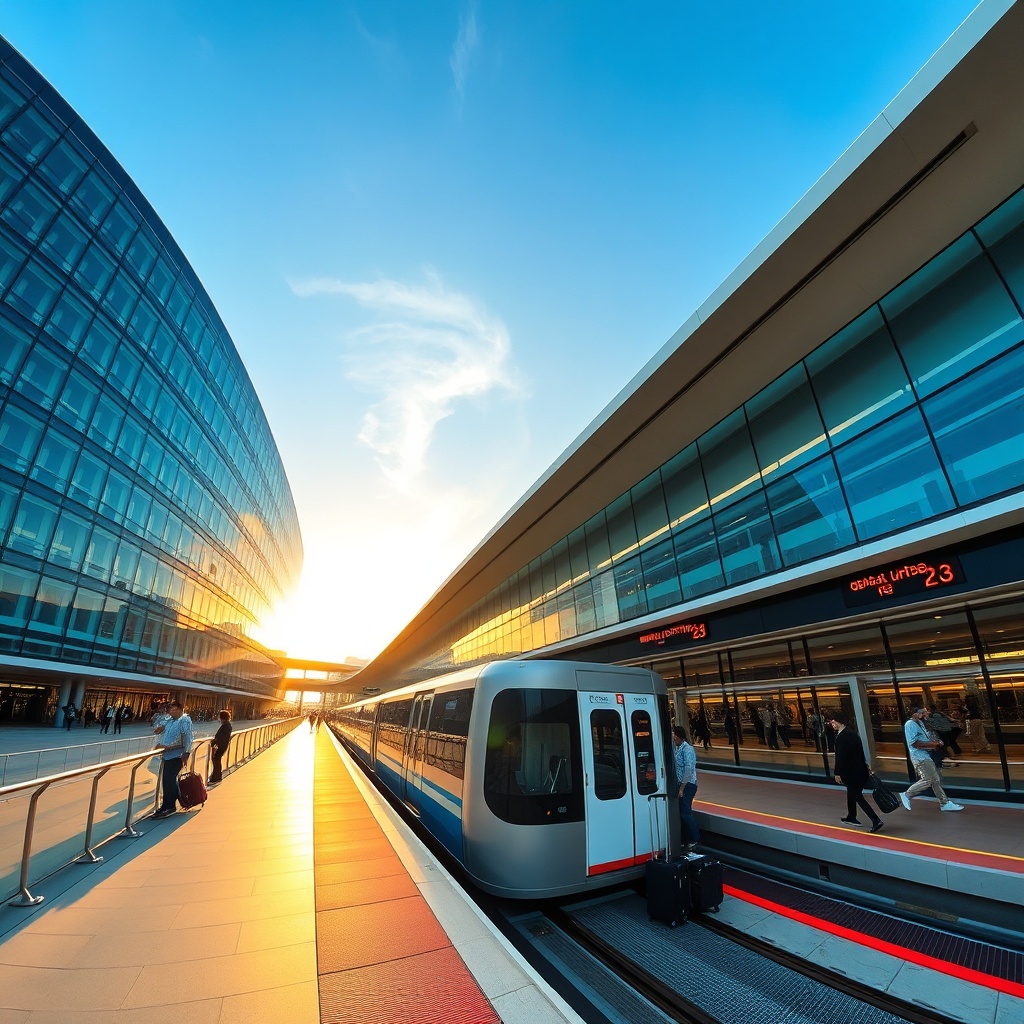
The striking modern facade and seamless metro access define the main entrance to this massive aviation hub.
Location and role at DXB
Terminal 3 is located on the eastern side of Dubai International Airport. It was built as a dedicated hub for Emirates and remains the airline’s primary base of operations. The terminal serves Emirates and its codeshare and partner airlines, handling a significant share of DXB’s overall passenger traffic. Because it is so large, Terminal 3 functions almost like a city within the airport. It includes its own check-in halls, immigration areas, baggage systems, and a wide range of shops and restaurants. The terminal is physically connected to the Metro Red Line, which makes it accessible from central Dubai without needing a taxi or car.
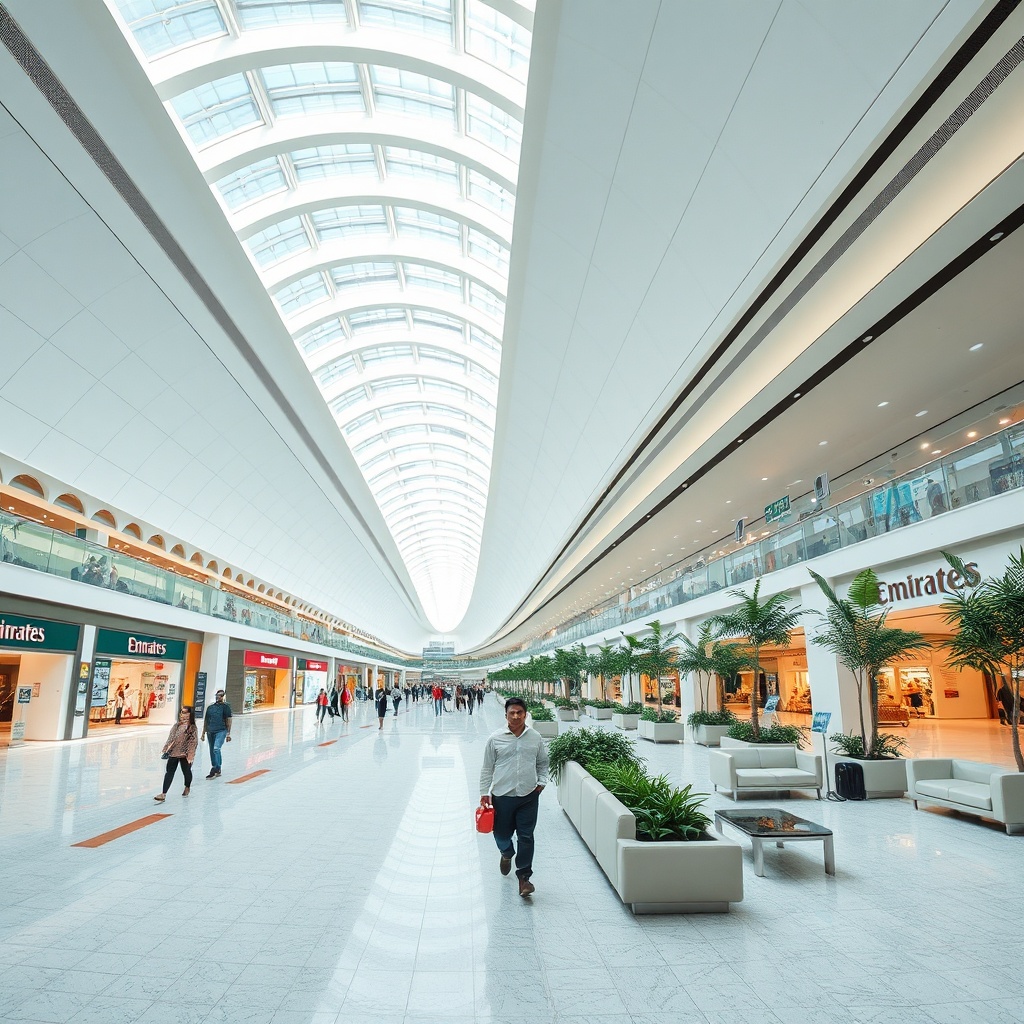
Passengers navigate the sunlit, retail-lined corridors that form the heart of the world-class terminal complex.
Which airlines and destinations use Terminal 3
Emirates is the main carrier operating from Terminal 3. The terminal also handles flights from Emirates’ codeshare partners, which means you may find other airlines operating under Emirates flight numbers. For the most accurate and current airline assignments, check your booking or the airport’s official website before traveling.
Definition: A codeshare is an agreement between two airlines where one airline operates a flight and both airlines sell seats on it, allowing passengers to book connecting itineraries under a single ticket.
Key facts at a glance
- Concourses: The terminal has three main concourses — A, B, and C — each with its own gates and services.
- Concourse A: Built specifically for the Airbus A380 and connected to the main terminal by an automated train.
- Concourse B and C: Connected to the main terminal by walkways, so you can move between them on foot.
- Metro access: The Dubai Metro Red Line has a station directly connected to Terminal 3.
- Scale: Terminal 3 is one of the largest airport terminals in the world by floor area.
Navigating Terminal 3: A step-by-step guide
Arrivals: From aircraft to exit
- Disembark and follow signs to either baggage claim or onward connections, depending on whether you have a connecting flight.
- Pass through immigration for international arrivals. Have your passport and visa (if required) ready.
- Collect your baggage from the designated carousel and proceed through customs.
- Exit to the arrivals hall, where you can connect to taxis, ride-hailing services, the Metro, or airport parking.
Departures: From check-in to boarding
- Arrive at the correct concourse — check your boarding pass to see whether your flight departs from A, B, or C.
- Complete check-in and baggage drop at the Emirates counters or self-service kiosks.
- Pass through security and immigration to reach the departure area.
- Access the main departure hall and proceed to your gate. The departure hall is large, so allow time to walk or take the train if you need to reach Concourse A.
Transfers: Connecting through Terminal 3
If you’re transferring through Terminal 3, the process is straightforward but requires some planning, much like consulting The Ultimate transit resources. Concourses B and C are connected by walkways, so you can walk between them. To reach Concourse A, you’ll need to take the automated train from the main terminal building.
Quick Answer: To move between concourses at Terminal 3, walk between Concourses B and C, and take the automated train to Concourse A. Allow extra time for any connection that involves Concourse A.
When transferring, follow the “Connections” signs rather than the “Arrivals” or “Departures” signs. This will keep you in the transit area and route you directly to your next gate. If you have a long layover, Emirates offers transit passengers access to lounges and a range of services inside the terminal.
Terminal 3 vs. other DXB terminals: a comparison
Dubai International Airport has three main terminals, each serving a different group of airlines. Understanding which terminal you need is essential for planning your trip.
Quick Answer: Terminal 3 is for Emirates and its partners, Terminal 1 serves other international airlines, and Terminal 2 handles regional and low-cost carriers. Check your booking to confirm which terminal you need.
Terminal 1 overview
Terminal 1 serves a wide range of international airlines outside the Emirates group. It has its own concourse (Concourse D) and is also connected to the Dubai Metro Red Line. The terminal offers standard airport facilities, including check-in counters, security, immigration, and a range of shops and restaurants.
Terminal 2 overview
Terminal 2 is the smallest of the three main terminals and focuses on regional and low-cost carriers. It has a single concourse and a more compact footprint. Terminal 2 is not directly connected to the Dubai Metro, so passengers typically use taxis or buses to reach it.
Comparison table: Terminal 3 vs. Terminal 1 vs. Terminal 2
| Feature | Terminal 3 | Terminal 1 | Terminal 2 |
|---|---|---|---|
| Primary carrier | Emirates | Various international airlines | Regional and low-cost carriers |
| Concourse structure | A, B, C | D | Single concourse |
| Metro access | Yes (Red Line) | Yes (Red Line) | No |
| Lounge facilities | Extensive Emirates lounges | Partner and limited lounges | Basic |
| Typical passenger volume | Highest | Medium | Lowest |
What to do inside Terminal 3: shopping, dining, and lounges
Duty-free and retail
Terminal 3 has a large duty-free area that spans a significant portion of the departure hall. You’ll find luxury brands, electronics, fragrances, and souvenirs. The duty-free zone is particularly busy during peak travel times, so if you want to shop, allow extra time before your flight.
Dining options
The terminal offers a wide range of dining options, from quick-service fast food to sit-down restaurants. Both local and international cuisines are represented, so you can find everything from Emirati dishes to familiar international chains. Many restaurants are located in the departure hall and near the gates.
Emirates lounges
Emirates operates multiple lounges across Concourses A, B, and C, with different tiers for First and Business class passengers. These lounges offer a range of amenities, including dining, showers, and quiet areas. Access to the lounges is determined by your ticket class and Emirates Skywards status, so review Dubai Airport Lounges: An Ultimate Guide 2026 to confirm eligibility before traveling.
Practical tips for travelers using Terminal 3
Getting there and parking
The easiest way to reach Terminal 3 from central Dubai is by taking the Dubai Metro Red Line, which stops directly at the terminal. Taxis and ride-hailing services are also available at the arrivals level. If you’re driving, the terminal has dedicated parking areas, but check current rates and Charges published by the airport before your trip.
Check-in and baggage
Emirates offers online and mobile check-in, which allows you to select your seat and get your boarding pass before you arrive at the airport. Baggage drop counters are available for passengers who have already checked in. For baggage allowance rules, refer to your ticket or Emirates’ official website.
Time to allow
Terminal 3 is a large terminal, and the distance from check-in to your gate can be significant. Arrive with plenty of time to spare, especially for international flights. Check your airline’s recommended arrival time for your specific flight, and allow extra time if you need to transfer between concourses or travel during peak hours.
Frequently asked questions (FAQ)
Is Terminal 3 only for Emirates flights?
Emirates is the primary carrier at Terminal 3, and the terminal also handles flights from Emirates’ codeshare partners. Other airlines occasionally use the terminal, so check your booking to confirm which terminal your flight departs from.
How do I get from Terminal 3 to the city center?
The Dubai Metro Red Line connects directly to Terminal 3, making it the most convenient option for reaching central Dubai. Taxis and ride-hailing services are also available at the arrivals level.
Can I walk between Concourses A, B, and C?
You can walk between Concourses B and C, as they are connected to the main terminal by walkways. To reach Concourse A, you’ll need to take the automated train.
What is the best time to arrive at Terminal 3 for a flight?
Arrive early, especially for international flights. Check your airline’s recommended arrival time for your specific flight, and allow extra time if you’re traveling during peak hours or need to transfer between concourses.
Are there hotels or lounges inside Terminal 3?
Emirates operates lounges across Concourses A, B, and C for eligible passengers. For hotel options, check with the airport or Emirates for transit accommodation and related services. Related reading: [Dubai Airport Lounges: An Ultimate Guide 2026](https://dxb-airport.com/dubai_airport_lounges__an_ultimate_guide_2026/) · [Smart Transit: Navigating Terminal 3 Parking and Charge](https://dxb-airport.com/smart-transit-navigating-terminal-3-parking-and-charges/)
Conclusion
Dubai Airport Terminal 3 is a massive, Emirates-centric hub that handles a significant share of DXB’s passenger traffic. With three distinct concourses, extensive amenities, and direct Metro access, it is designed to serve both Emirates and its partner airlines efficiently. The key to a smooth experience is planning ahead — know which concourse your flight departs from, allow extra time for transfers, and check your airline’s current guidance before you travel. Operational details such as airline assignments, facilities, and rules can change, so always verify the latest information with Emirates or Dubai International Airport before your departure.