
Introduction to Dubai’s Infrastructure Development
Dubai has long been recognized as a hub of innovation and growth in the Middle East, and its ongoing commitment to infrastructure development plays a pivotal role in shaping its future. The city is continually evolving, and major projects such as the Dubai Loop and the Metro Blue Line are central to its urban planning strategy. These initiatives not only enhance the city’s connectivity but also serve to accommodate its rapidly growing population and tourism demands.
The Dubai Loop is particularly crucial as it seeks to streamline transportation and facilitate efficient movement across the city. This ambitious project aims to integrate various modes of transport, thereby reducing congestion and improving accessibility for residents and visitors alike. By investing in such infrastructure, Dubai is laying the groundwork for sustainable urban expansion, which will ultimately enhance the quality of life for its inhabitants.
Similarly, the Metro Blue Line will further reinforce the city’s public transport network, connecting key areas and providing a reliable alternative to road travel. This addition is expected to ease traffic flow and lessen the environmental impact associated with vehicular congestion. Moreover, the Metro Blue Line showcases Dubai’s commitment to adopting advanced technologies that ensure operational efficiency and user satisfaction.
In addition to these transportation initiatives, the integration of artificial intelligence (AI) in the private sector is another facet of Dubai’s infrastructure development. This integration is vital for modernizing various services and optimizing operational performance across different industries. As businesses leverage AI technologies, they can significantly enhance customer experiences and streamline processes, contributing to the overall economic growth of the city.
Overall, the infrastructure projects currently underway in Dubai represent a holistic approach towards urban development. These projects are designed not only to accommodate the immediate needs of the city but also to anticipate future challenges, ensuring that Dubai remains at the forefront of global innovation and urban living.
The Dubai Loop: A Comprehensive Overview
The Dubai Loop project represents a transformative initiative aimed at revolutionizing the urban transportation landscape in Dubai. This ambitious endeavor involves the construction of an extensive tunnel system designed to alleviate traffic congestion and enhance connectivity across the city. By providing a seamless transit experience, the Dubai Loop aims to connect key areas throughout the metropolitan region, consequently improving the overall mobility for both residents and visitors.
One of the primary objectives of the Dubai Loop is to integrate with existing transportation infrastructures, such as the Dubai Metro and various bus routes. This synergy is vital for ensuring that users can transfer easily between different modes of transport, thereby streamlining the entire commuting process. Passengers will benefit from this comprehensive network, as they will have access to a hassle-free means of traveling through the bustling cityscape.
Moreover, the implementation of the Dubai Loop is projected to have a substantial impact on the reduction of traffic congestion. As more commuters opt for this alternative mode of transit, vehicles will be diverted from surface roads, leading to decreased travel times and reduced emissions. This environmentally conscious approach not only promotes sustainable practices but also contributes to the city’s long-term goal of creating a greener urban environment.
In addition, the expected benefits of the Dubai Loop extend beyond mere transportation improvements. The project is expected to stimulate local economies by enhancing accessibility to commercial districts and tourist attractions. As such, residents and visitors alike will experience enhanced convenience and economic opportunities, making Dubai an even more attractive destination.
Current Status of Tunnel Construction for the Dubai Loop
The construction of the tunnels for the Dubai Loop, a pivotal project aimed at enhancing the transportation infrastructure of the city, has made significant strides in recent months. This ambitious initiative is part of a broader effort to create a seamless and efficient transit system that connects key areas within Dubai. As of now, the tunneling work is approximately 60% complete, with several major milestones successfully reached along the way.
The project began in early 2022, and the initial phases of construction involved extensive geological surveys and planning to ensure that the tunneling processes would proceed without major interruptions. However, the project has not been without its challenges. Engineers encountered complex underground conditions that required innovative solutions to maintain the integrity of surrounding structures, such as existing roadways and buildings. The deployment of advanced tunneling technologies has proven essential in mitigating these risks, as state-of-the-art equipment is being utilized to enhance precision and safety.
Among the methods employed, the use of Tunnel Boring Machines (TBMs) has been particularly noteworthy. These machines allow for efficient excavation while minimizing surface disruption. Furthermore, real-time monitoring systems have been integrated to continuously assess environmental impacts and ground conditions, facilitating proactive responses to any emerging issues. As construction proceeds, the team is focused on adhering to the project timeline, aiming for completion by late 2025. The successful delivery of the Dubai Loop will not only improve urban mobility but will also signify Dubai’s commitment to innovative infrastructure solutions.
Metro Blue Line Tunneling: Progress and Challenges
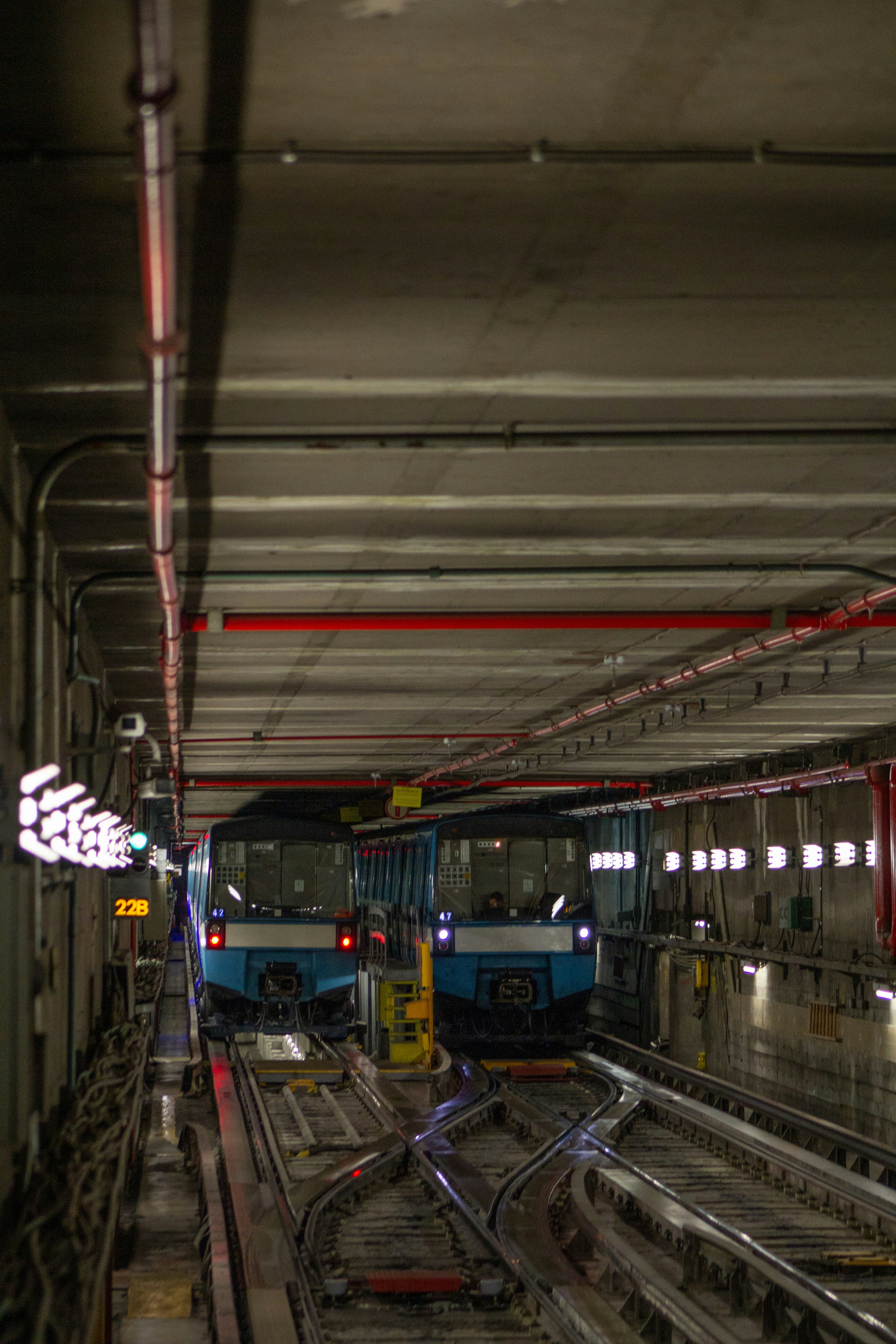
The construction of the Metro Blue Line in Dubai represents a significant advancement in the city’s public transport network, aimed at enhancing connectivity across various regions. The tunneling works for this vital metro line have been underway for several months, showcasing the expertise of engineers and construction teams. The Blue Line is designed to serve as a backbone of the metro system, facilitating efficient transport for residents and visitors alike by linking major districts and key areas of interest.
As of the current progress report, significant portions of the tunneling have been completed. The use of advanced tunneling technology has enabled workers to excavate through a variety of geological conditions, ensuring that the integrity of the surrounding environment is maintained. This metro line is expected to carry thousands of passengers daily, alleviating congestion on roadways and contributing to a more sustainable urban transit model.
However, the construction of the Metro Blue Line has not been without its challenges. One of the primary obstacles faced has been the coordination of traffic management and construction schedules, as the tunneling activities are situated in densely populated urban areas. Additionally, unexpected geological patterns have posed complications, requiring modifications to initial engineering plans. These challenges necessitate ongoing assessment and adaptation to ensure that the project remains on track.
Despite these hurdles, the commitment to completing the Metro Blue Line remains strong, as it is viewed as an integral part of Dubai’s long-term transport strategy. As developments continue, updates regarding tunneling progress and any innovative solutions implemented to counter difficulties will be communicated to the public, underscoring the project’s importance in reinforcing Dubai’s status as a global transportation hub.
Integration of AI in the Private Sector: An Overview
In recent years, the private sector in Dubai has witnessed a remarkable transformation through the integration of artificial intelligence (AI) technologies. Businesses across various industries are increasingly adopting AI solutions to enhance operational efficiency, improve customer experiences, and drive innovation. The Dubai government has actively encouraged this shift by fostering an environment conducive to technological advancement, which has further propelled the adoption of AI initiatives.
One of the prominent sectors experiencing significant AI integration is the hospitality industry. Hotels and resorts are leveraging AI-driven systems to personalize guest experiences, manage bookings more efficiently, and optimize staffing. For instance, AI chatbots are being utilized to assist customers with inquiries and reservations, thereby streamlining operations and reducing response times.
In addition to hospitality, financial institutions in Dubai are deploying AI for enhanced security measures and fraud detection. Machine learning algorithms are utilized to analyze transaction patterns, enabling banks to identify and mitigate fraudulent activities in real-time. This not only protects consumer assets but also bolsters the overall integrity of the financial system.
The healthcare sector is also witnessing a surge in AI initiatives. Hospitals and clinics are incorporating AI technologies to assist with diagnostics, patient management, and treatment recommendations. This has led to improved patient outcomes and a more efficient allocation of medical resources. The utilization of AI in analyzing patient records and predicting health trends is further optimizing service delivery in the medical field.
Overall, the integration of artificial intelligence in Dubai’s private sector is revolutionizing how businesses operate. By harnessing AI technologies, companies are not only improving their operational capabilities but also redefining their competitive strategies. As the emphasis on digital transformation continues, it is anticipated that more businesses will adopt AI solutions, leading to further advancements in the region’s economic landscape.
Case Studies of AI Integration in Dubai’s Private Sector
The private sector in Dubai has witnessed significant advancements through the integration of Artificial Intelligence (AI) across various industries. Several companies have adopted AI solutions to enhance operations, improve customer experiences, and optimize resource management. One notable example is Emirates Airlines, which has implemented an AI-driven predictive maintenance system for its aircraft. This innovative approach helps in anticipating potential mechanical failures, thereby reducing downtime and ensuring safety. The outcomes of this AI application include enhanced operational efficiency and substantial cost savings, all while boosting customer confidence in the airline’s reliability.
Another exemplary case can be found in the retail sector, where Majid Al Futtaim boasts a robust AI integration strategy. Employing machine learning algorithms, the company has improved inventory management and personalized marketing. By analyzing consumer behavior and purchasing patterns, AI systems have enabled targeted promotions, leading to increased sales and customer satisfaction. This case illustrates how AI can transform retail operations by tailoring the shopping experience to individual preferences, ultimately fostering brand loyalty.
In the hospitality industry, the Rove Hotels have adopted AI-powered chatbots to enhance guest interactions. These chatbots facilitate efficient customer service by handling inquiries and reservations, allowing hotel staff to focus on more complex tasks. The implementation has resulted in a dramatic improvement in response times and guest satisfaction ratings. Lessons learned from this initiative emphasize the importance of integrating AI solutions in ways that complement human capabilities rather than replace them.
These case studies highlight the successful integration of AI in Dubai’s private sector, demonstrating its potential to drive innovation while improving operational efficiency. As more companies commit to embracing AI technologies, it will play a critical role in shaping the future of Dubai’s economy.
Synergies Between Infrastructure Projects and AI Initiatives
The rapid advancement of artificial intelligence (AI) presents significant opportunities for enhancing the efficiency and user experience of ongoing infrastructure projects in Dubai. Projects like the Dubai Loop and the Metro Blue Line can greatly benefit from AI initiatives, creating a synergy that can lead to smarter, more responsive urban environments. This collaboration between public infrastructure efforts and private sector technology innovations can streamline processes, improve safety, and optimize usage levels.
One of the primary areas where AI can revolutionize infrastructure projects is in data analytics. For instance, AI can analyze vast amounts of data derived from traffic patterns, user behavior, and transportation demands, allowing planners and engineers to make informed decisions that lead to improved services. This data-driven approach can support the ongoing development of the Dubai Loop, enabling it to adapt to the evolving needs of commuters.
Furthermore, AI-driven predictive maintenance can significantly enhance the operational efficiency of metro systems, including the Metro Blue Line. By employing machine learning algorithms, the infrastructure can preemptively identify maintenance needs before they escalate into costly repairs or service interruptions. This not only boosts reliability for commuters but also helps to conserve resources and budget allocations.
Collaboration between government agencies and private AI firms is vital for realizing these synergies. Public-private partnerships can foster innovation and ensure that projects are aligned with the latest technological advances. Engaging AI specialists can facilitate the integration of intelligent systems that optimize transportation networks, effectively improving user experiences while minimizing downtime and traffic congestion.
Ultimately, the future of infrastructure in Dubai offers a promising landscape where AI initiatives and large-scale projects like the Dubai Loop and Metro Blue Line can intersect. Such collaborative efforts can pave the way for a more efficient, accessible, and sustainable urban environment, benefitting residents and visitors alike.
Future Prospects for Dubai’s Infrastructure and AI
As Dubai continues to evolve as a global city, the integration of advanced technology into its infrastructure development is expected to reach new heights. Innovative construction methods and smart city concepts are anticipated to play a crucial role in future projects. The introduction of the Dubai Loop and the Metro Blue Line are just the beginning; future investments in infrastructure must embrace sustainability and resilience against climate change.
One noteworthy trend includes the increase in automation within the construction sector. With the use of AI, project planning and execution can become significantly more efficient. Machine learning algorithms can analyze vast amounts of data to optimize supply chains, minimize waste, and predict potential project delays. Consequently, construction firms utilizing AI tools will likely achieve better performance outcomes while reducing costs.
Transportation may also undergo a transformation driven by AI technologies. Concepts such as autonomous vehicles and intelligent traffic management systems are forecasted to reshape how residents and visitors navigate the city. These systems will not only improve efficiency but also enhance safety by reducing human error. In addition, smart public transportation services could cater to the unique needs of commuters through real-time data analytics and predictive modeling.
Urban development is expected to focus on mixed-use spaces that promote community interaction and environmental sustainability. As AI continues to inform urban design, planners will create dynamic spaces that adapt to demographic shifts and emerging technologies. The use of smart sensors and AI-driven tools will aid in monitoring and managing urban services, further enhancing the quality of city life.
In conclusion, the future of Dubai’s infrastructure and the role of AI will be pivotal in shaping a smarter, more sustainable urban environment. The integration of advanced technologies into construction and transportation will herald a new era for this dynamic city, aligning with global standards and expectations.
The Path Forward for Dubai
As Dubai continues to grow and evolve, the emphasis on enhancing its infrastructure remains paramount. The initiatives such as the Dubai Loop and the Metro Blue Line are not merely transport projects; they symbolize the city’s commitment to improving connectivity and accessibility for its residents and visitors. These developments not only facilitate movement across the city but also bolster economic growth by attracting investment, talent, and tourism.
Furthermore, the integration of artificial intelligence initiatives by the private sector reflects Dubai’s aspiration to be at the forefront of technological advancement. By harnessing AI to optimize traffic management, urban planning, and service efficiency, Dubai is setting a precedent for smart city initiatives worldwide. These technological advancements are essential for addressing the challenges posed by rapid urbanization and ensuring sustainable growth.
The synergy between infrastructure projects and technological innovations positions Dubai as a model for other global cities. The government’s proactive approach, combined with private sector involvement, provides a balanced framework for continuous improvement. This collaborative spirit not only enhances operational efficiency but also fosters an environment conducive to innovation and creativity.
In summary, the ongoing infrastructure developments and AI initiatives in Dubai are significant steps toward transforming the city into a global leader in innovation and connectivity. As these projects progress, they will undoubtedly play a critical role in shaping Dubai’s future, reinforcing its position as a key player on the world stage. The commitment to excellence in both infrastructure and technology will ensure that Dubai remains a vibrant, dynamic city ready for the challenges and opportunities of the future.