
Dubai is preparing for a historic shift in its aviation landscape, with Al Maktoum International Airport (DWC) set to eventually replace Dubai International Airport (DXB) products as the city’s primary gateway. This guide provides a structured analysis of the Al Maktoum airport replacing DXB plan, covering the timeline, strategic rationale, operational shifts, and what it means for travelers and businesses.
The transition is not an overnight switch but a carefully planned, phased process designed to maintain Dubai’s status as a global aviation hub while accommodating future growth. A Comprehensive understanding of this move is driven by DXB’s physical limitations and the need for a larger, more modern facility to support the city’s long-term ambitions.
Key Takeaways
- Al Maktoum International (DWC) is set to become Dubai’s main airport, with DXB eventually phasing out of its primary role.
- The move is driven by capacity constraints at DXB and the need for a larger, more modern hub to support future growth.
- The transition will occur in phases, with DWC expanding significantly while DXB continues to operate in a reduced capacity.
- Travelers should prepare for changes in flight schedules, airport locations, and connectivity options over the coming years.
- The project is intrinsically linked to Dubai’s broader urban development plans, including new residential and commercial zones around DWC.
The Complete Answer: What Does “Al Maktoum Airport Replacing DXB” Actually Mean?
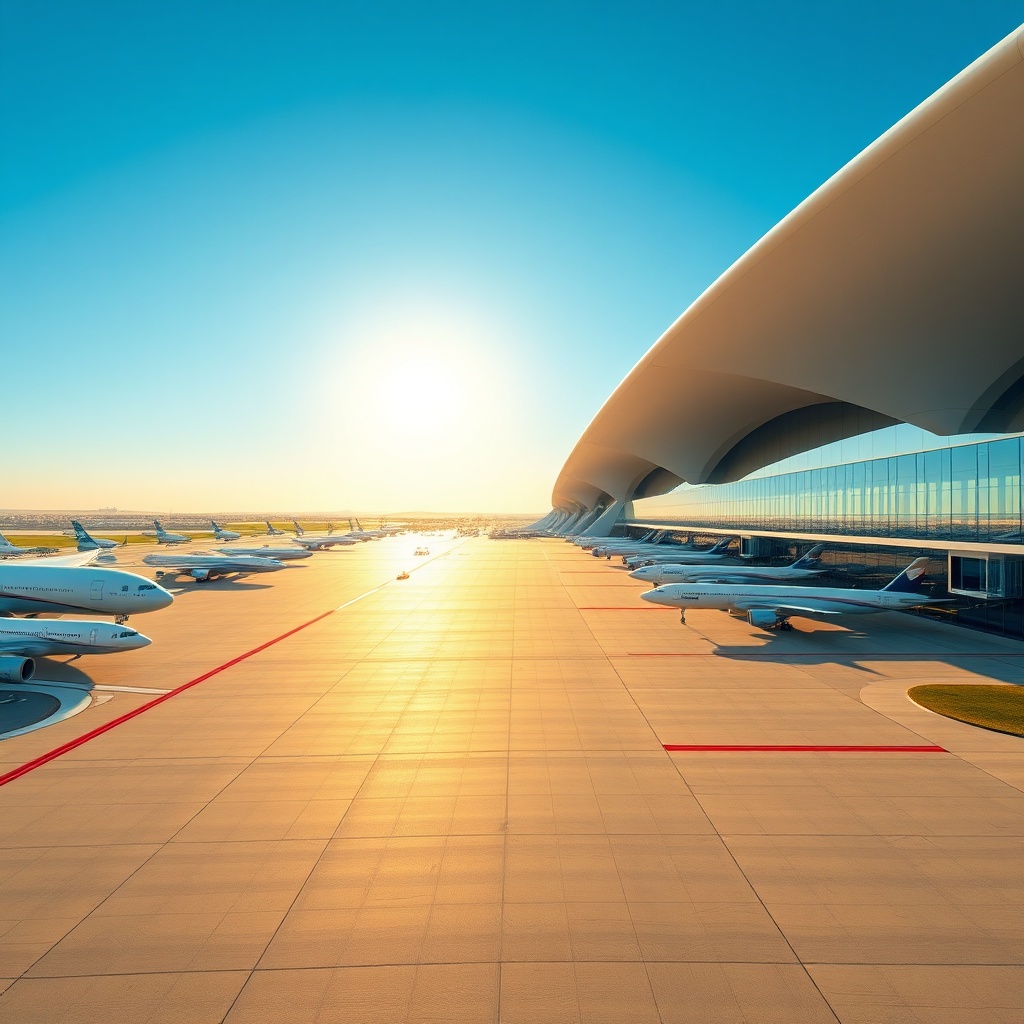
Cinematic rendering of the modernized Al Maktoum terminal highlighting its role as the successor to Dubai International Airport.
Defining the Scope of the Replacement
When aviation authorities and city planners discuss “replacing” DXB, they are referring to a long-term strategic shift where DWC becomes the primary international gateway. It does not mean DXB will close its doors overnight. Instead, the plan involves a phased approach: first, DWC expands its infrastructure, then airlines and flights gradually transfer operations, and finally, DXB’s role diminishes.
Definition: An aerotropolis is an urban plan in which a city’s infrastructure and economy are built around a major airport, treating it as the central hub for business, logistics, and connectivity.
This distinction is crucial for understanding the Dubai aviation hub transition. For the foreseeable future, DXB will continue to operate, but its dominance will fade as DWC’s capacity and capabilities grow. The DWC vs DXB status will flip from a secondary cargo and charter hub to the main passenger and cargo center.
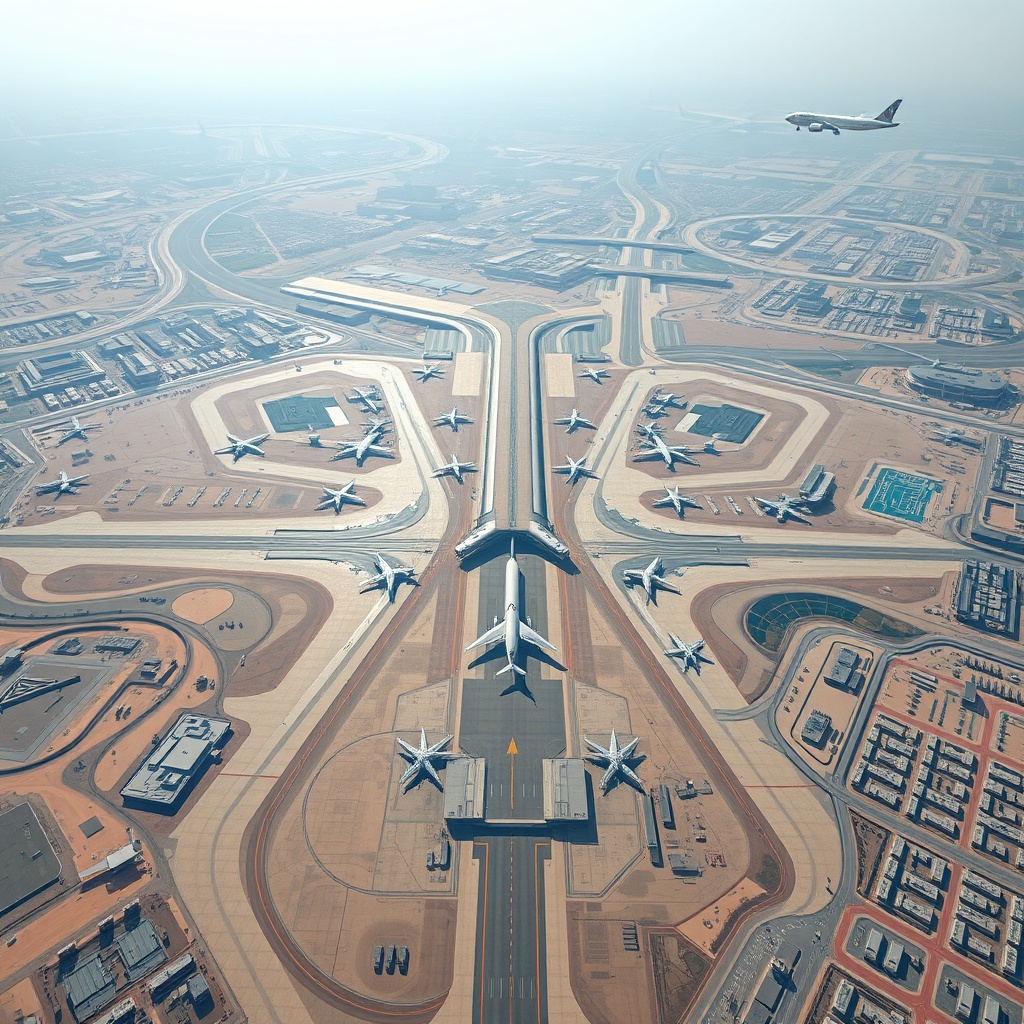
High-altitude visualization of DWC’s massive infrastructure upgrades and surrounding urban development zones.
The Official Timeline and Phases
The official timeline for the Al Maktoum expansion is a multi-year project, with phases announced by Dubai Airports. The project is part of the Dubai aviation master plan 2050 and the broader Dubai 2040 Urban Master Plan.
Each phase entails specific milestones. The initial phase focuses on infrastructure construction, including new runways and terminal buildings. Subsequent phases involve the relocation of airlines, starting with certain carriers, and reaching capacity thresholds that trigger further transfers. The Al Maktoum International Airport phase 1 terminal is a key early milestone in this process.
Quick Answer: The replacement of DXB by Al Maktoum Airport is a long-term, phased project. It will not happen overnight, but will involve a gradual transfer of flights and operations from DXB to DWC over a period of years, with exact dates subject to official announcements.
How This Affects Passengers and Airlines
For passengers, the immediate impact will be minimal. The long-term impact will be significant. As the transition progresses, airlines will begin to move their operations to DWC. This will affect flight schedules, as some routes may shift from DXB to DWC. The Emirates hub relocation strategy is a central part of this, as the airline is expected to be a key anchor tenant at the new airport.
For connecting flights and transit passengers, the change will require careful planning. If a passenger has a layover in Dubai, they will need to know which airport their connecting flight operates from. Loyalty programs and frequent flyer benefits should remain consistent, but the airport experience will change.
Why the Shift Is Happening: Capacity, Strategy, and Urban Vision
DXB’s Capacity Ceiling
Dubai International is landlocked, surrounded by dense urban development, which means it has no room for significant physical expansion. This creates a hard DXB capacity limit that restricts the airport’s ability to handle more flights and passengers. The current congestion and slot constraints at DXB are a direct result of this physical limitation. To continue growing, Dubai needs a new airport with room to expand, which is exactly what DWC offers.
The Strategic Vision for Dubai South
DWC is not just an airport; it is the centerpiece of the Dubai South district. This is a planned aerotropolis designed to be a complete economic ecosystem. The airport is positioned to connect seamlessly with logistics zones, free zones, and the nearby Expo City Dubai. This Al Maktoum economic zone is designed to attract businesses that rely on air cargo and global connectivity, creating a new center of economic activity in the south of the emirate.
The Role of the Dubai 2040 Urban Master Plan
The airport replacement is a core component of the Dubai 2040 Urban Master Plan, which outlines the city’s long-term development goals. The plan focuses on population growth, tourism targets, and creating new urban centers. By moving the primary airport to the south, the city can develop new residential and commercial zones around DWC, reducing pressure on the already congested northern areas and creating a more balanced urban landscape. This urban development airport integration is a key strategic objective.
The Operational and Logistical Overhaul
Air Traffic Control and Airspace Management
The transition will require a major overhaul of Dubai’s airspace. For a period, two major airports will operate simultaneously, requiring new air traffic control procedures to ensure safety and efficiency. Coordinating takeoffs, landings, and flight paths between DXB and DWC will be a significant operational challenge.
Ground Infrastructure: Terminals, Runways, and Cargo
The ground infrastructure at DWC is being designed to dwarf DXB’s current capabilities. The plan includes a massive new terminal and multiple new runways at Al Maktoum airport to handle a significantly higher volume of aircraft movements. The DWC terminal capacity is planned to be far larger than DXB’s, with the ultimate goal of handling a significantly higher volume of passengers annually. This DXB vs DWC capacity comparison shows the scale of the upgrade. The Cargo operations transition to DWC is also a key part of the plan, with the new airport designed to be a major global cargo hub.
Quick Answer: Al Maktoum International Airport is already operational, handling a limited number of cargo and charter flights. Its full-scale expansion into a mega-hub is the core of the long-term plan to replace DXB.
The Passenger Journey: From DXB to DWC
Getting to DWC will be a different experience than getting to DXB. Journey times to DWC will be significantly longer. To address this, new transport links are being developed, including a planned extension of the Dubai Metro Red Line to DWC and dedicated road networks.
For a traveler planning a trip post-transition, here is a step-by-step guide:
- Check your flight’s departure airport (DXB or DWC) before booking.
- Plan your route to DWC using the updated transport options (e.g., Dubai Metro Red Line extension, dedicated shuttle services).
- Allocate additional travel time due to the longer distance from central Dubai.
- Verify your airline’s terminal and check-in procedures at DWC.
- Stay updated on any mid-transition schedule changes via your airline’s official channels.
Comparison: DXB vs. Al Maktoum (DWC) — A Side-by-Side Look
Infrastructure and Capacity Comparison Table
| Feature | DXB (Current) | DWC (Future) |
|---|---|---|
| Location | Close to city center (Deira) | Far south, near Dubai South |
| Runways | 2 runways | 2 runways initially, with plans for additional runways |
| Annual Passenger Capacity | At capacity | Planned for massive capacity |
| Terminal Space | 3 terminals, limited expansion | New mega-terminal concept |
| Cargo Capacity | Significant, but constrained | Designed for massive cargo growth |
| Surrounding Development | Urban, no room for expansion | Greenfield, built as aerotropolis |
Strategic and Economic Differences
DXB is an established, convenient airport for business travelers due to its central location. However, it is at maximum capacity. DWC, on the other hand, is future-proof and scalable, designed for massive growth, but it is currently less accessible from the city. From a business perspective, the trade-off is between immediate convenience (DXB) and long-term scalability and potential for economic development (DWC). The Dubai airport future lies in balancing these factors during the transition.
The Ripple Effects: Real Estate, Business, and Tourism
Real Estate and Property Market Impact
The shift in airport location will have a significant impact on Dubai’s property market. Property values around DXB may see a decline as its importance as a global hub diminishes. Conversely, the area around DWC is expected to see a surge in property values as new residential and commercial zones are developed. The Dubai South real estate market is poised for significant growth as the airport becomes the city’s main gateway.
Business and Logistics Opportunities
The new airport is a catalyst for business and logistics. The Al Maktoum cargo hub will be a major driver of economic activity, attracting logistics companies and freight forwarders. New business parks and free zones tied to the airport will create jobs and investment opportunities, solidifying Dubai’s position as a global logistics and trade center.
Tourism and Traveler Experience
The longer commute to DWC could potentially deter some tourists who value convenience. To address this, the city will need to invest in efficient transport links and a seamless visitor experience. The impact on Dubai tourism will depend on how well the city manages this transition. The new airport’s modern facilities and capacity will also allow for more flights and potentially lower fares, which could outweigh the inconvenience of a longer commute for many travelers.
Timeline and What to Expect (Step-by-Step Guide)
The Phased Transition Roadmap
The transition will follow a phased roadmap. Exact dates are subject to change and should be confirmed with official sources, but the general steps are as follows:
- Phase 1: DWC expansion construction begins.
- Phase 2: First airlines relocate operations to DWC.
- Phase 3: DWC reaches a certain capacity threshold, triggering further relocations.
- Phase 4: DXB begins to reduce operations, with some flights moved to DWC.
- Phase 5: Full operational transfer to DWC, with DXB potentially repurposed or closed to commercial aviation.
The DXB operational phase out schedule will be guided by the readiness of DWC and the needs of the airlines.
Preparing for the Change: A Checklist for Businesses and Travelers
Businesses and frequent flyers should take proactive steps to prepare. Airlines will need to manage their own relocation schedules and inform their customers. For travelers, the best advice is to stay informed by checking official Dubai Airports announcements and airline notifications before and during any trip. Planning ahead for the longer journey to DWC is essential.
FAQ
Will DXB close completely?
No, not immediately. The plan is for DWC to become the primary airport, but DXB will likely continue to operate for certain types of flights or as a secondary hub for a period after the main transition.
When will Al Maktoum Airport start replacing DXB?
The transition is planned to begin in phases, with the first phase involving DWC expansion. Specific dates for each phase are announced by Dubai Airports and should be checked against the latest official announcements.
How will I get to Al Maktoum Airport from central Dubai?
The Dubai Metro Red Line is planned to be extended to DWC, and dedicated road networks and shuttle services will be developed. Travel time is expected to be significantly longer than to DXB, so passengers should plan accordingly.
Will all airlines move to Al Maktoum Airport?
The move will be phased, with different airlines moving at different times. The process will be guided by operational readiness and capacity at DWC. Airlines will communicate their relocation schedules to passengers well in advance.
Is Al Maktoum Airport already operational?
Yes, it is currently operational but handles a limited number of flights, primarily cargo and some passenger charters. Its full-scale expansion and role as a primary hub are part of the future development plan.
Conclusion
The Al Maktoum airport replacing DXB is not an overnight event but a carefully orchestrated, multi-year transformation. As Dubai pivots toward a future-proof aviation hub, the phased roadmap ensures continuity for airlines and passengers alike. While the shift promises greater capacity and modern infrastructure, it also demands proactive adaptation from everyone who relies on Dubai’s skies. For travelers, the immediate action is clear: monitor official Dubai Airports announcements, verify your airline’s relocation schedule before every trip, and account for the significantly longer journey to DWC when planning connections. For businesses, now is the time to review logistics, update travel policies, and communicate changes to your teams. Don’t wait until the final phases to adjust—start preparing today. By staying informed and planning ahead, you can turn this transition into a seamless experience. The future of Dubai aviation is arriving; make sure you’re ready to fly with it.